Will Baghdad and Erbil strike a border deal at the 1 December dialogue? What the crossing closures tell us
Baghdad has closed two Kurdish-run crossings and won the court and Washington to its side. A signed settlement before January remains unlikely.

Key points
- Iraq closed the Kurdish-run Al Waleed and Bashta crossings on 26 November, the first step in federal control of all Kurdistan frontier posts.
- Our judgement: a signed arrangement on the crossings by 31 December is unlikely, at 35 to 40 percent.
- Baghdad holds the court ruling, US backing and a federal export route through the restarted Kirkuk-Ceyhan line.
- Federal army units entering the region's interior before year end: 10 to 15 percent.
- Watch the 1 December communique, Shushmi and Ibrahim Khalil, and salary transfers to the region.
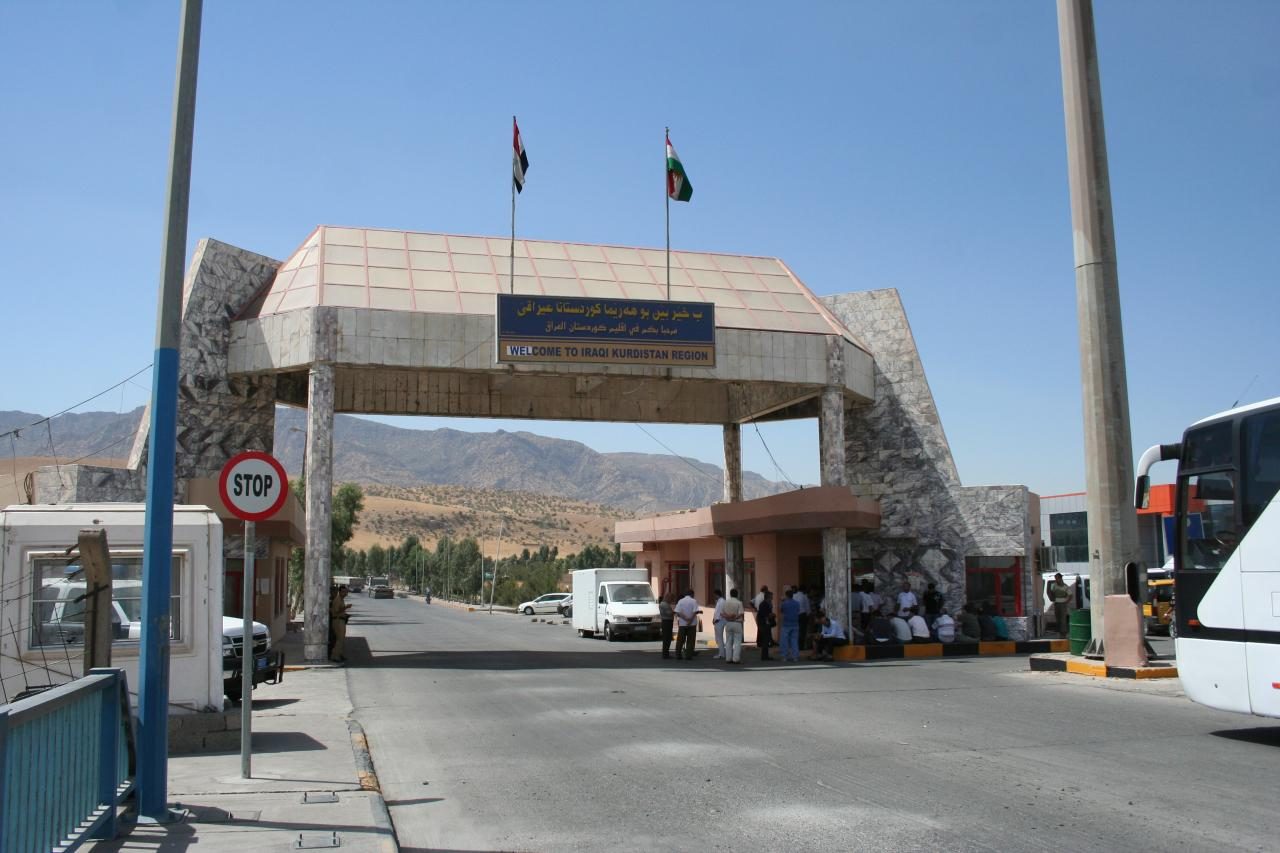
Iraq's federal government closed two Kurdish-run border crossings on the night of 26 November, the Al Waleed crossing with Syria and the Bashta crossing with Iran, the first practical step in Prime Minister Ali al-Zaidi's order to bring every frontier post in the Kurdistan Region under federal control. Erbil has called the move unconstitutional, thousands have protested in the regional capital, and Iraq's four presidencies have agreed to a national dialogue on 1 December. The question for anyone with exposure to Iraqi oil, trade or credit is whether that meeting produces a settlement or only a pause.
My judgement: a formal, signed arrangement on the Kurdistan crossings by 31 December 2026 is unlikely, at roughly 35 to 40 percent. The more probable outcome is a face-saving procedural deal at the dialogue, followed by continued federal pressure on the ground. Baghdad holds the legal ground, Washington's backing and the timing. Erbil holds the street and the capacity to slow implementation. Neither side has an interest in armed confrontation, and I put the chance of federal army units entering the region's interior before the end of the year at no more than 10 to 15 percent.
What we know
| Fact | Source | Rating |
| On 24 November al-Zaidi ordered the Border Ports Authority to take over all Kurdistan crossings, close unofficial ones, and moved federal management over oilfields in Kirkuk, Nineveh, Salahuddin and Diyala. | Al Jazeera, 26 Nov | A1 |
| The Federal Supreme Court issued an interpretive ruling within 24 hours affirming federal authority over borders, crossings, oil exports and non-oil revenues. | Al Jazeera, 26 Nov | A1 |
| Border forces closed Al Waleed (Syria) and Bashta (Iran) on 26 November; a local source expects the Shushmi crossing with Iran to close within days. | Iraqi News Agency via Al-Ain; The National, 27 Nov | B2 |
| The government estimates 200,000 to 230,000 barrels a day are smuggled, worth about $200m a month; the Board of Supreme Audit puts losses from Kurdish exports outside SOMO between 2008 and 2025 above $100bn. | Al Jazeera; The National | B3 |
| President Trump said on 27 November that Washington supports al-Zaidi's efforts to assert state authority and stop oil smuggling. | The National, 27 Nov | A1 |
| The KDP and PUK issued a joint statement calling any weakening of the Kurdish entity a red line; the KRG cabinet rejected a return to centralisation but endorsed dialogue. | Al Jazeera; Rudaw via Al Jazeera | A2 |
Why a full settlement is unlikely before January
The dispute is constitutional only on paper. Articles 110 and 112 give Baghdad authority over national wealth and borders; Article 114 gives Erbil shared customs administration. Twenty years of contradictory text and no federal oil and gas law mean any agreement has to decide revenue, staffing and command at each crossing. That is not a one-meeting job.
Baghdad also has little reason to concede quickly. The court ruling removed Erbil's main legal route. The restart of the federal Kirkuk to Ceyhan line on 17 November, at 120,000 barrels a day with a stated goal of 500,000, gives Baghdad an export path that does not run through Kurdish-held infrastructure. Washington's public endorsement removes the external brake that Erbil has relied on in past crises.
Domestic politics push the same way. Al-Zaidi has just forced a negotiated entry into Jurf al-Sakhar against Kataib Hezbollah. A firm line on the Kurds shows his Shia partners that he is not targeting their factions selectively, and it costs far less than an intra-Shia confrontation.
Erbil's leverage is real but limited: street mobilisation, the joint KDP and PUK front, and the ability to delay staffing handovers at the larger crossings such as Ibrahim Khalil. The KDP and PUK unity is defensive. It will hold while the threat is acute and weaken once each party negotiates its own share.
Scenarios to 31 December 2026
- Managed pressure, 50 percent. The 1 December dialogue produces a joint committee and a statement on fighting smuggling. Baghdad keeps closing unofficial crossings, including Shushmi, and inserts federal staff at official ones. Erbil protests but cooperates selectively. No signed framework before January.
- Interim deal, 35 percent. A written joint oversight mechanism: federal customs and audit at official crossings, unofficial crossings closed, revenue routed through federal accounts with a guaranteed share for the region and salaries protected in the 2027 budget.
- Escalation, 15 percent. Talks stall, Baghdad withholds transfers or moves on the major crossings, and Erbil suspends cooperation on oil exports through its pipeline. Armed incidents remain unlikely even in this case.
What to watch
- Whether the 1 December communique names a mechanism with a deadline or only a committee.
- Closure of Shushmi and any federal move on Ibrahim Khalil or Haj Omran, the main official crossings.
- Monthly salary transfers to the region and the 2027 budget language on Kurdish entitlements.
- Kurdish crude volumes through Ceyhan against federal volumes on the restarted line.
- Any Iranian reaction to the loss of informal trade through Halabja.
What it means for organisations
For Iraq, this is the largest shift in federal control over northern revenue since 2017, and it will outlast the current crisis. Oil companies operating in the region should plan for federal audit of export volumes and payments routed through SOMO, and should not assume that the current interim export arrangement survives unchanged into 2027. Traders using crossings into the region should expect delays and document checks at official posts and the loss of informal routes. For Jordan, a tighter federal grip on Iraqi borders and revenue strengthens Baghdad as the single counterpart for trade, transit and energy deals, which simplifies negotiations but makes them more dependent on federal politics. For Gulf investors, the episode raises short-term operating risk in the Kurdistan Region while improving the medium-term case for dealing with Baghdad.
Next update: after the 1 December national dialogue, or by 15 December 2026.