Axiom Perspectives: geopolitical analysis and Middle East risk insight from Axiom Engine X
 Geopolitics
Is Riyadh safe? What the attacks on the financial district mean
Three strikes in sixteen days have turned Riyadh's financial district into a repeated target. The risk is real and concentrated, but it is not a reason to leave.
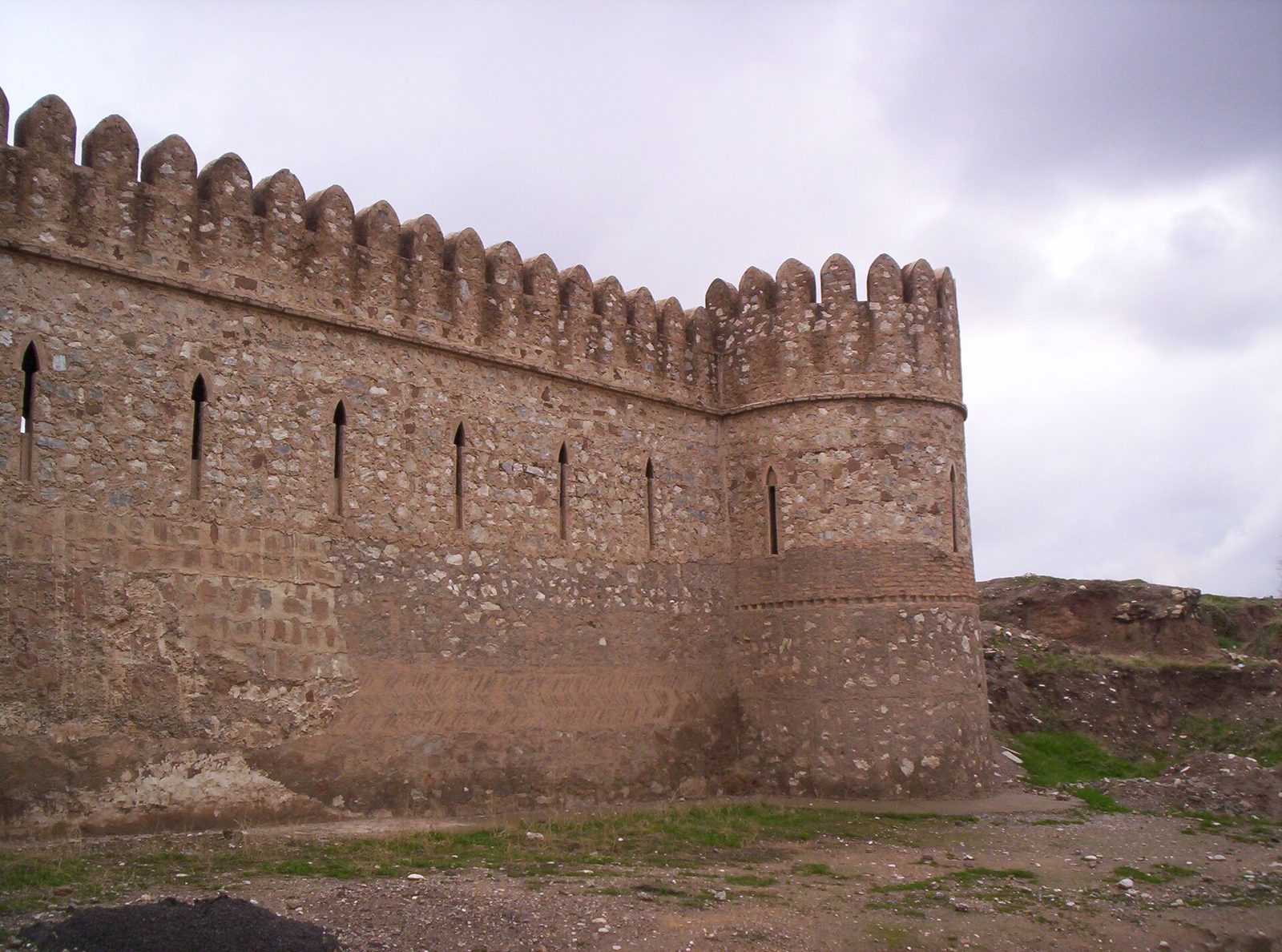
Can Baghdad take back Kurdistan's borders and oil? What al-Zaidi's crackdown will deliver
Iraq's prime minister has ordered federal control of the Kurdistan Region's crossings and of oilfields in four provinces. The order is real; full implementation is not.
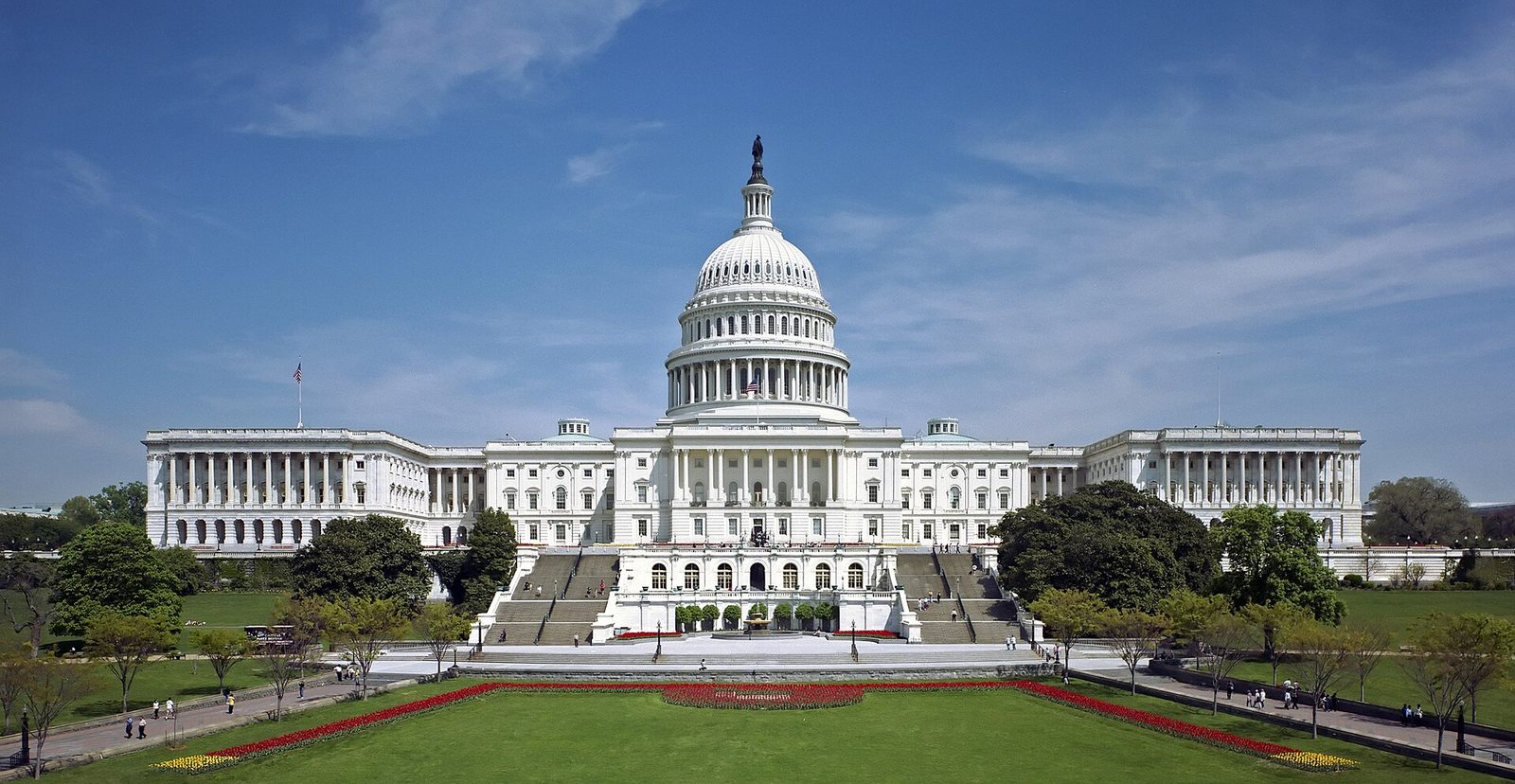
Can Congress stop the Iran war? Why the real fight is over money, not votes
The Senate has again refused to curb President Trump's war with Iran. Symbolic votes will keep coming, but the only lever that can bind the White House is funding, and that fight starts on 12 December.
More analysis
 Economy & Energy
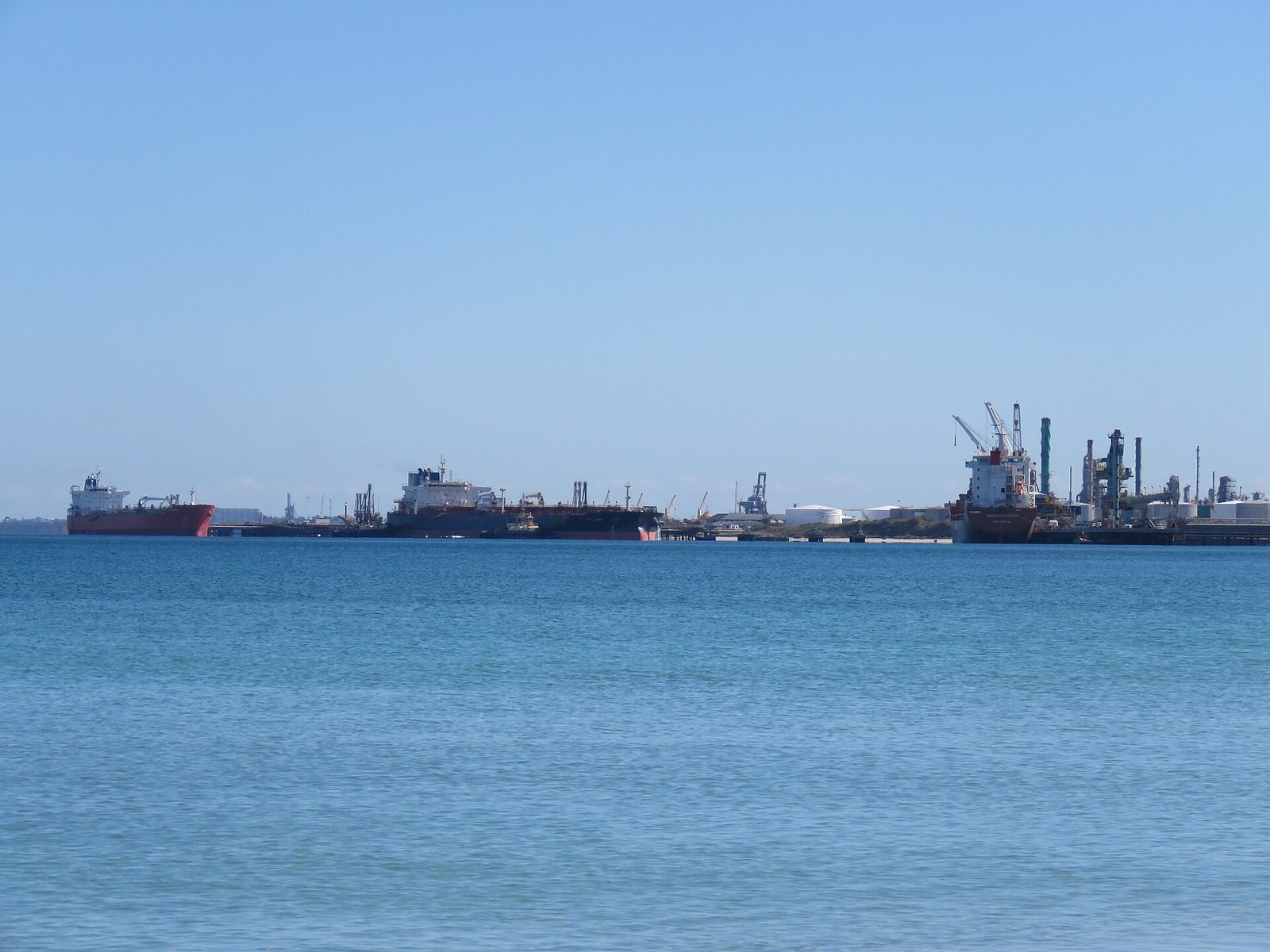
Why oil is falling in the middle of a war, and where Brent goes next
Brent has lost about a quarter of its value since late October while mines and missiles still hit tankers near Hormuz. Supply has adapted faster than the war has escalated. The question now is how low it can go.
 Middle East & the West
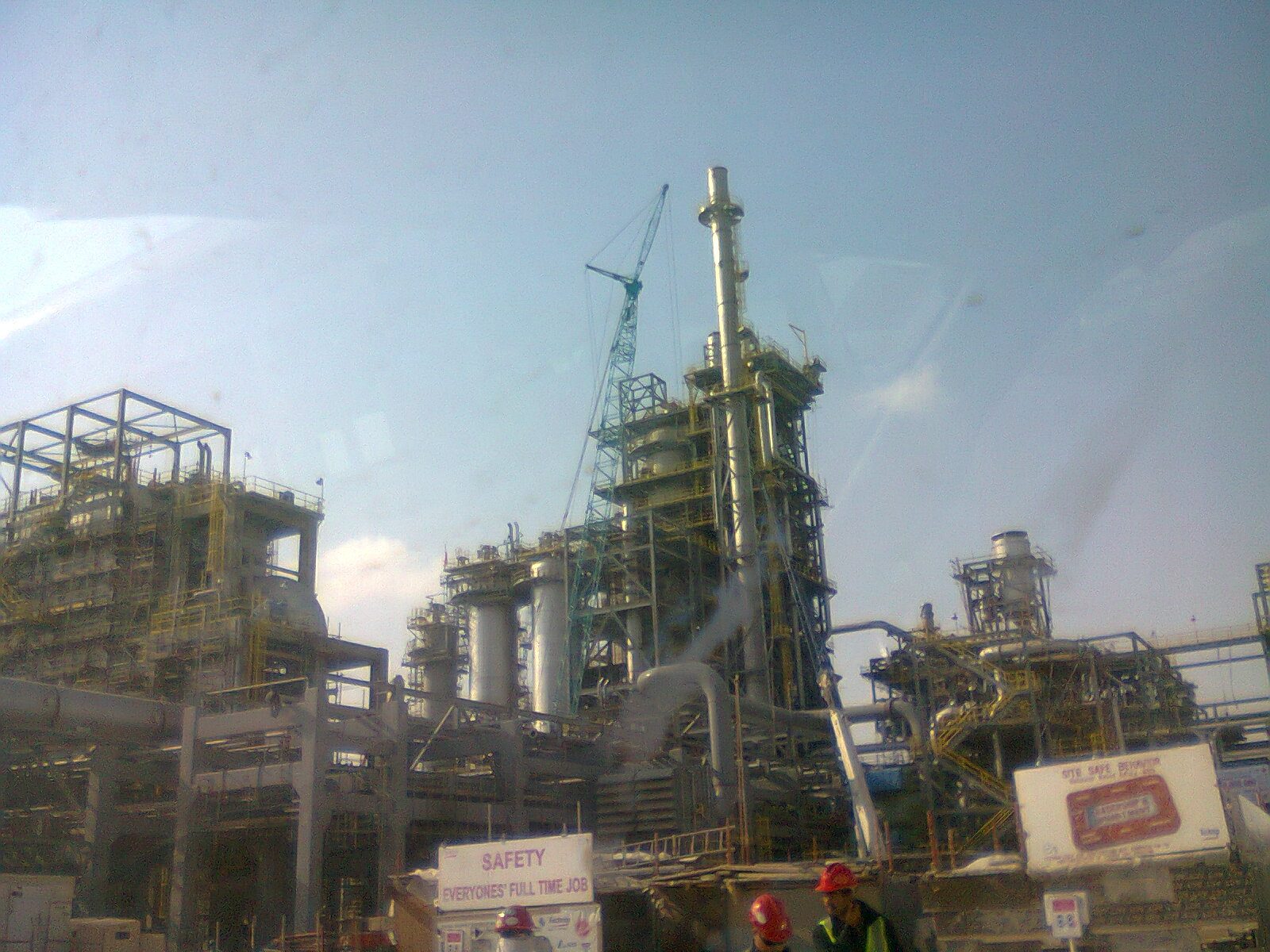
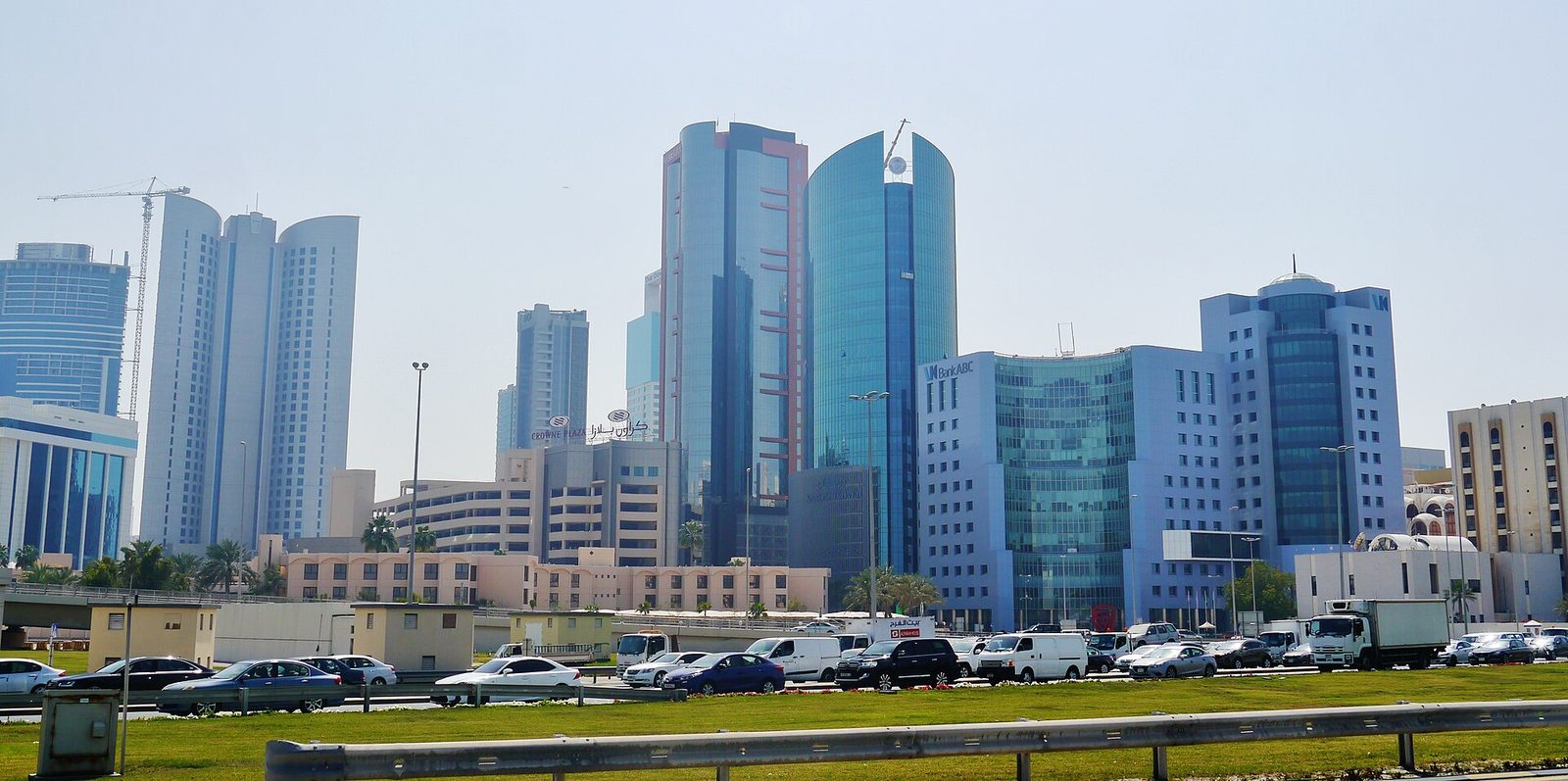
The Houthis are aiming at Saudi Arabia's way around Hormuz
The Houthi claim against the Rabigh refinery is part of a pattern of attacks on Saudi Arabia's Red Sea coast, the route the kingdom now relies on to export oil while Hormuz is disrupted. Most strikes are intercepted, but one damaging hit would matter far beyond Yemen.
 Middle East & the West
Bahrain and Kuwait on the front line: why Iran's strikes on Gulf bases will continue
Iran has hit Bahrain four times in six days and reached Kuwait for the first time since September. Every US strike on the Iranian coast now draws a reply against the Gulf states that host American forces.
 Economy & Energy
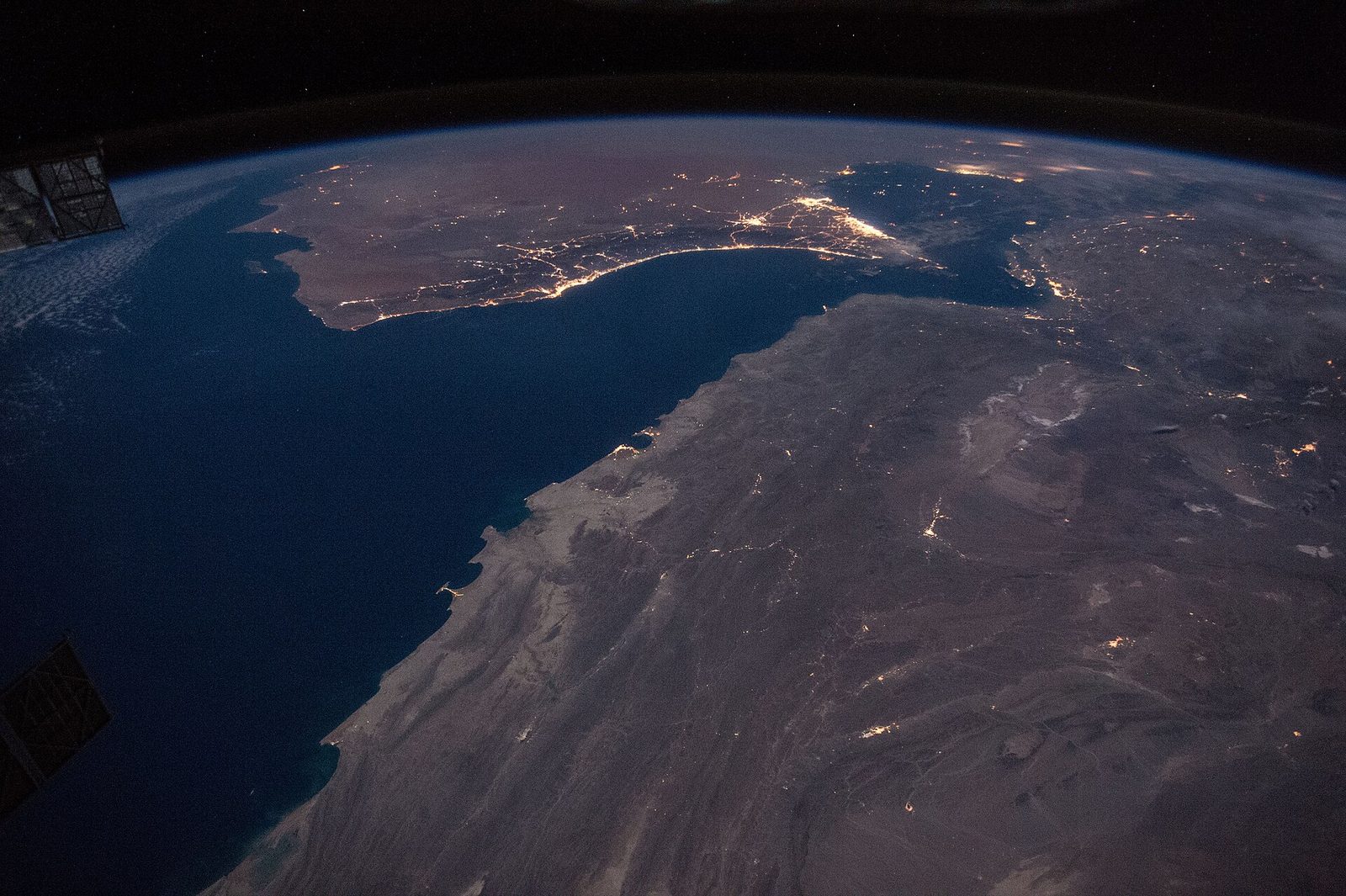
Hormuz: why a reopening deal is closer in words than in sequence
Both Washington and Tehran say they want a settlement, and Iran says the strait could reopen within two days. The obstacle is who moves first, while mines and attacks keep the waterway closed.
 Economy & Energy
Gold's long road back: why the record will not return by spring
Gold has lost about 36 percent from its January peak as the Federal Reserve turns to rate rises. Central banks are still buying, which sets a floor, but not a path back to the record.
 Policy & Strategy
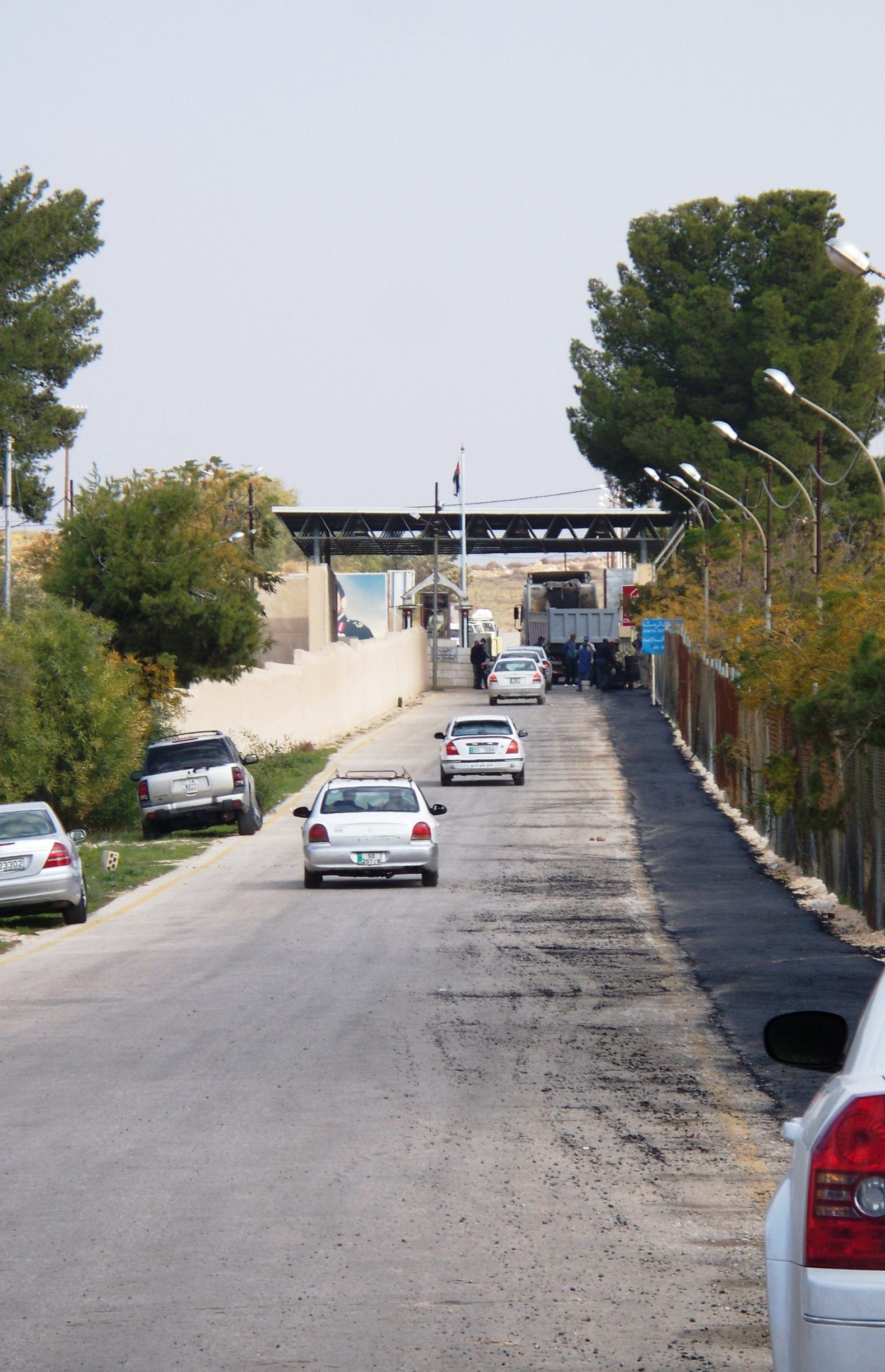
Jordan's strikes in Syria: a border tool, not a wider campaign
Jordan struck southern Syria in May and October, and Damascus protested civilian deaths. Within two weeks the two governments had reopened the border, formed a joint committee and signed 11 cooperation documents. That is the frame for what comes next.
 Geopolitics
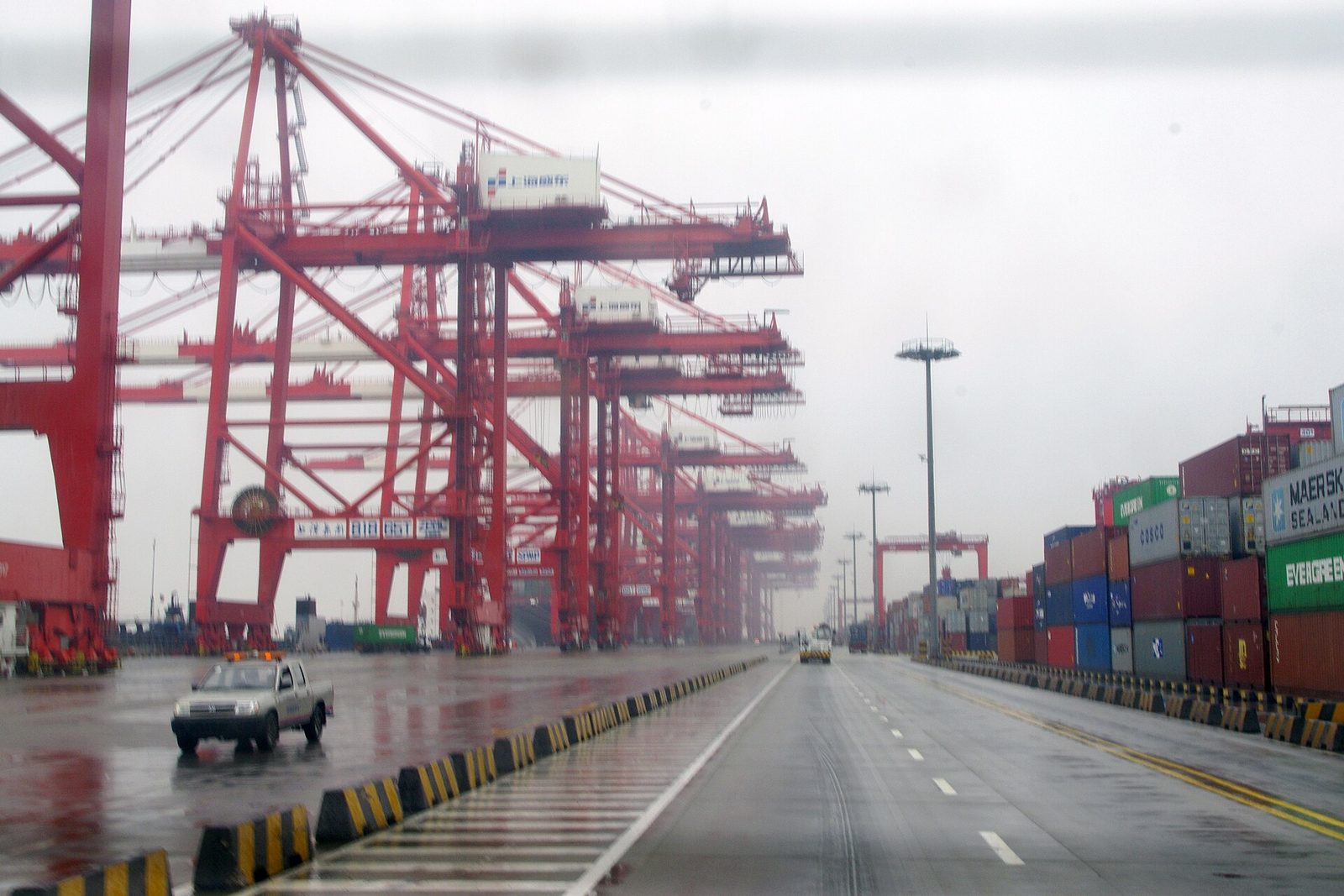
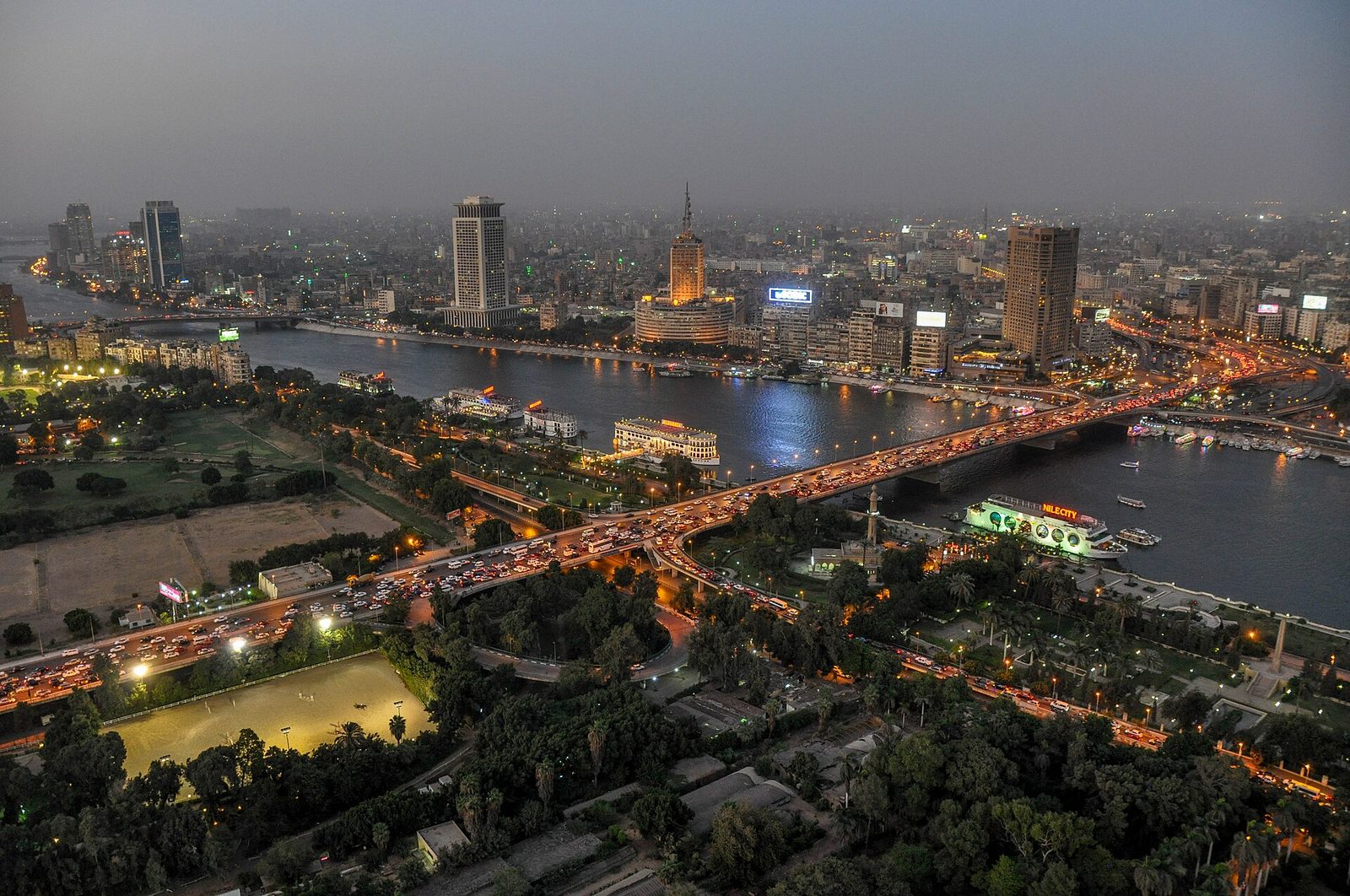
China is not quiet: what Beijing's restraint really tells us
While the world watches Washington, Beijing appears to be waiting. A closer test of the evidence points elsewhere: China is active through minerals, technology and trade, and restrained by deterrence where it matters most.
 Middle East & the West
Selective law: how Arab publics now judge the West
Arab Barometer surveys across nine countries show US standing sharply down since the Gaza war, Europe judged capital by capital, and China, Russia and Iran gaining by comparison. Opinion still moves when policy does.
 Public Opinion & Society
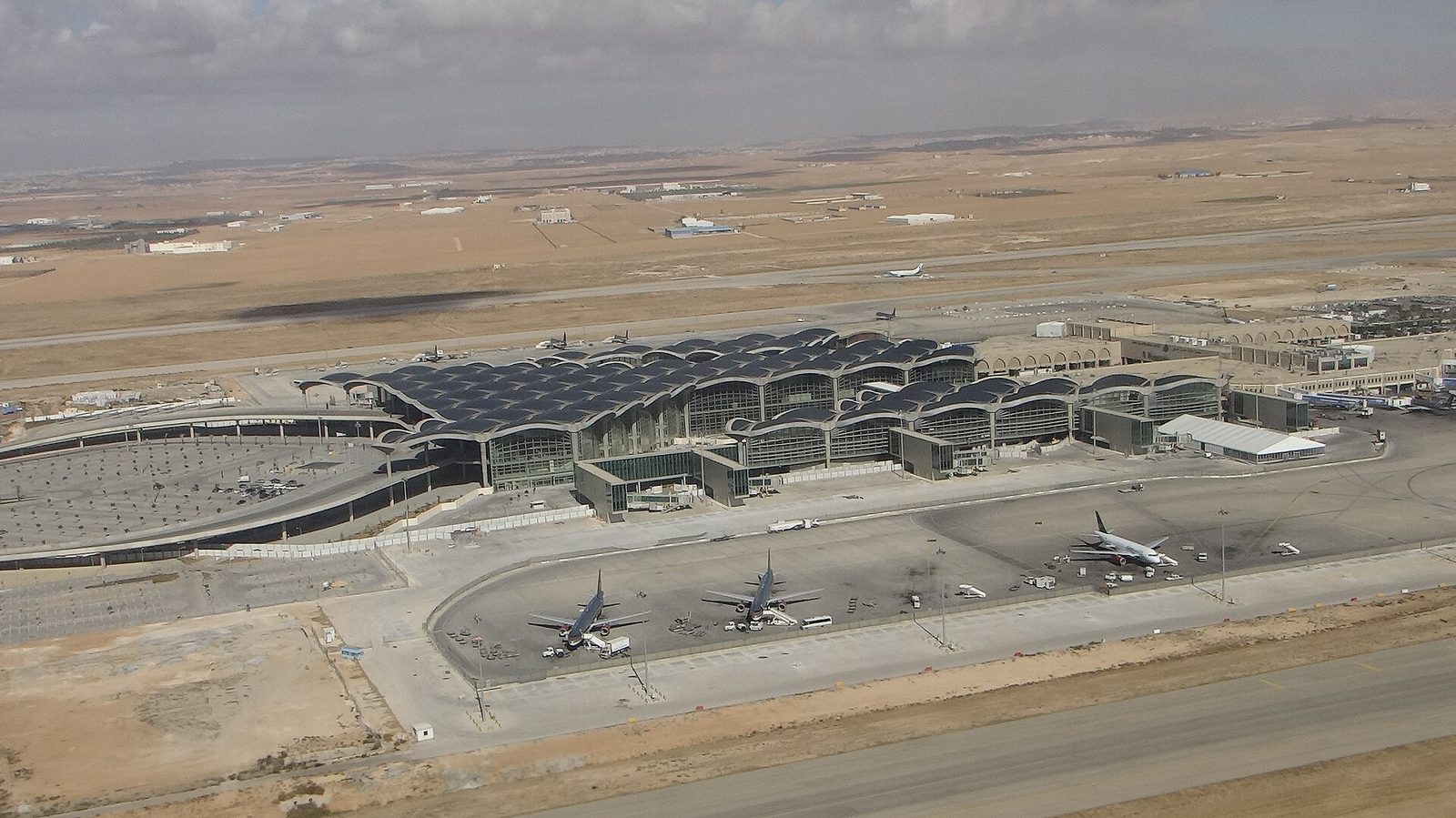
Why 44% of Jordanians think about leaving, and why most will not
Arab Barometer's latest Jordan survey finds emigration intent unchanged since 2023, concentrated among men, the young and graduates, and driven almost entirely by economics. Only four in ten of those considering it are preparing to go.
 Policy & Strategy
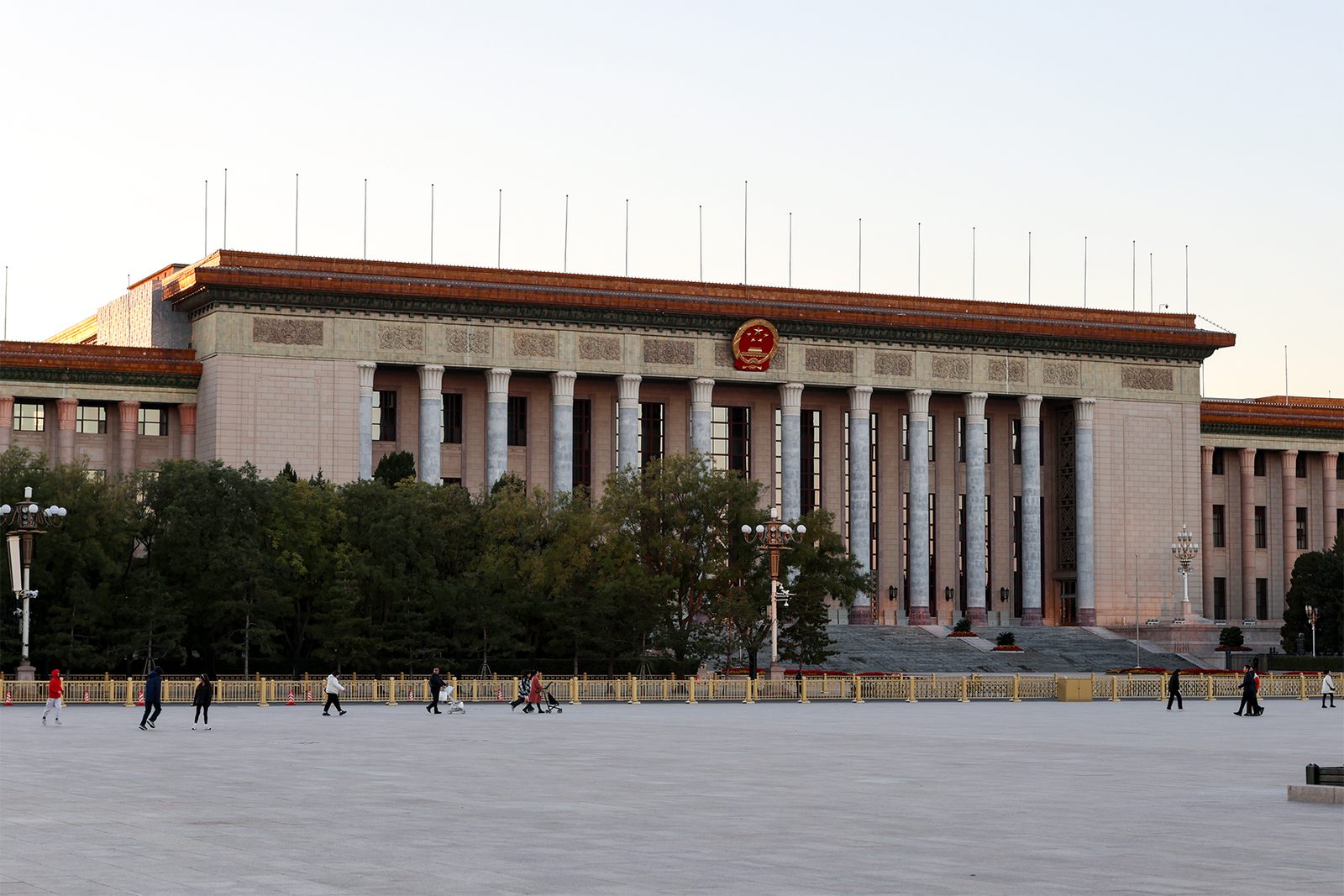
Shenzhen's trilateral summit: a joint declaration, no breakthroughs, and silence on the Iran war
Trump, Xi and Putin met for the first time as a trio. They agreed on nuclear language and oil supply, and left the conflicts that matter most to the Middle East off the page.
 Geopolitics
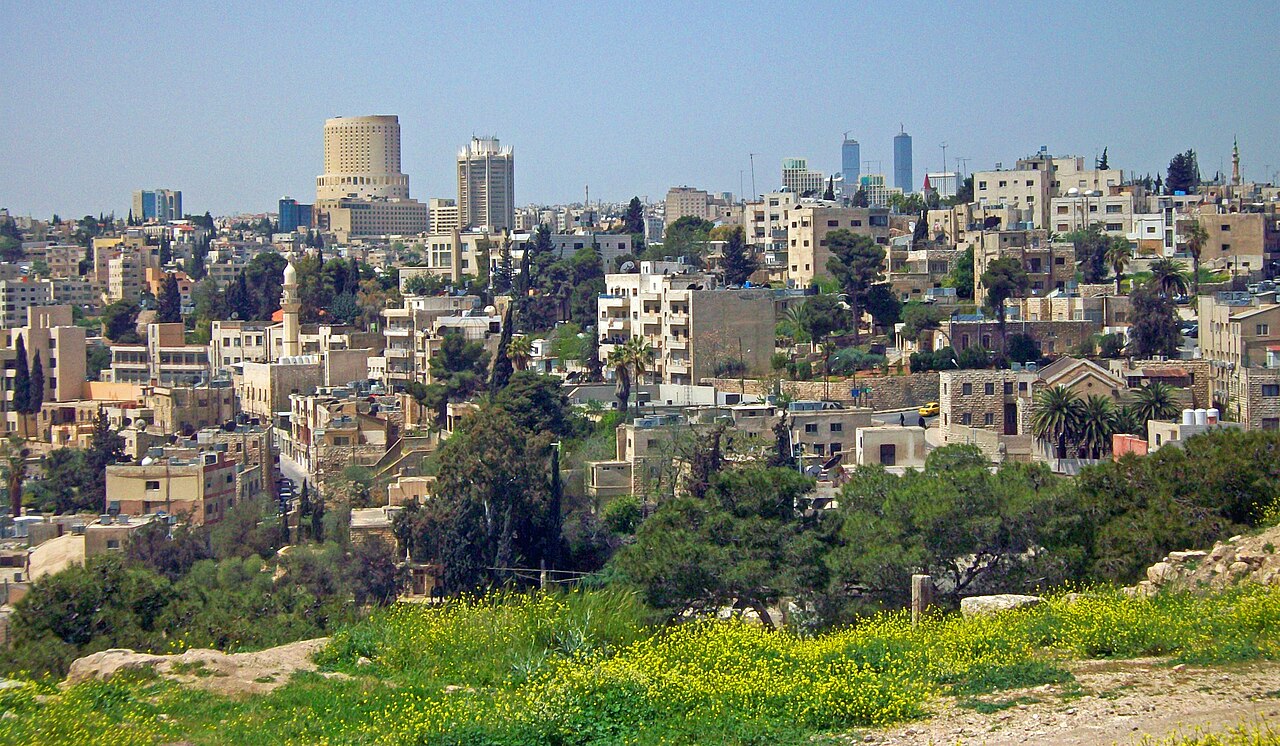
Beijing's quiet lead: how Jordanians rank the world's powers
Arab Barometer's latest Jordan survey shows China ahead of the United States on every policy issue tested, Qatar and Saudi Arabia leading the regional table, and US tariffs read as a direct cost to household budgets.
 Public Opinion & Society
What Jordanians think: hardship at home and Gaza abroad shape trust and attitudes
The latest Arab Barometer survey shows rising trust in government, deep economic insecurity, falling confidence in civil liberties and near-unanimous hostility to normalisation with Israel.