The Houthis are aiming at Saudi Arabia's way around Hormuz
The Houthi claim against the Rabigh refinery is part of a pattern of attacks on Saudi Arabia's Red Sea coast, the route the kingdom now relies on to export oil while Hormuz is disrupted. Most strikes are intercepted, but one damaging hit would matter far beyond Yemen.

Key points
- A Houthi attack that halts production at a Saudi energy facility before 31 January 2027 is possible (30 to 40 percent).
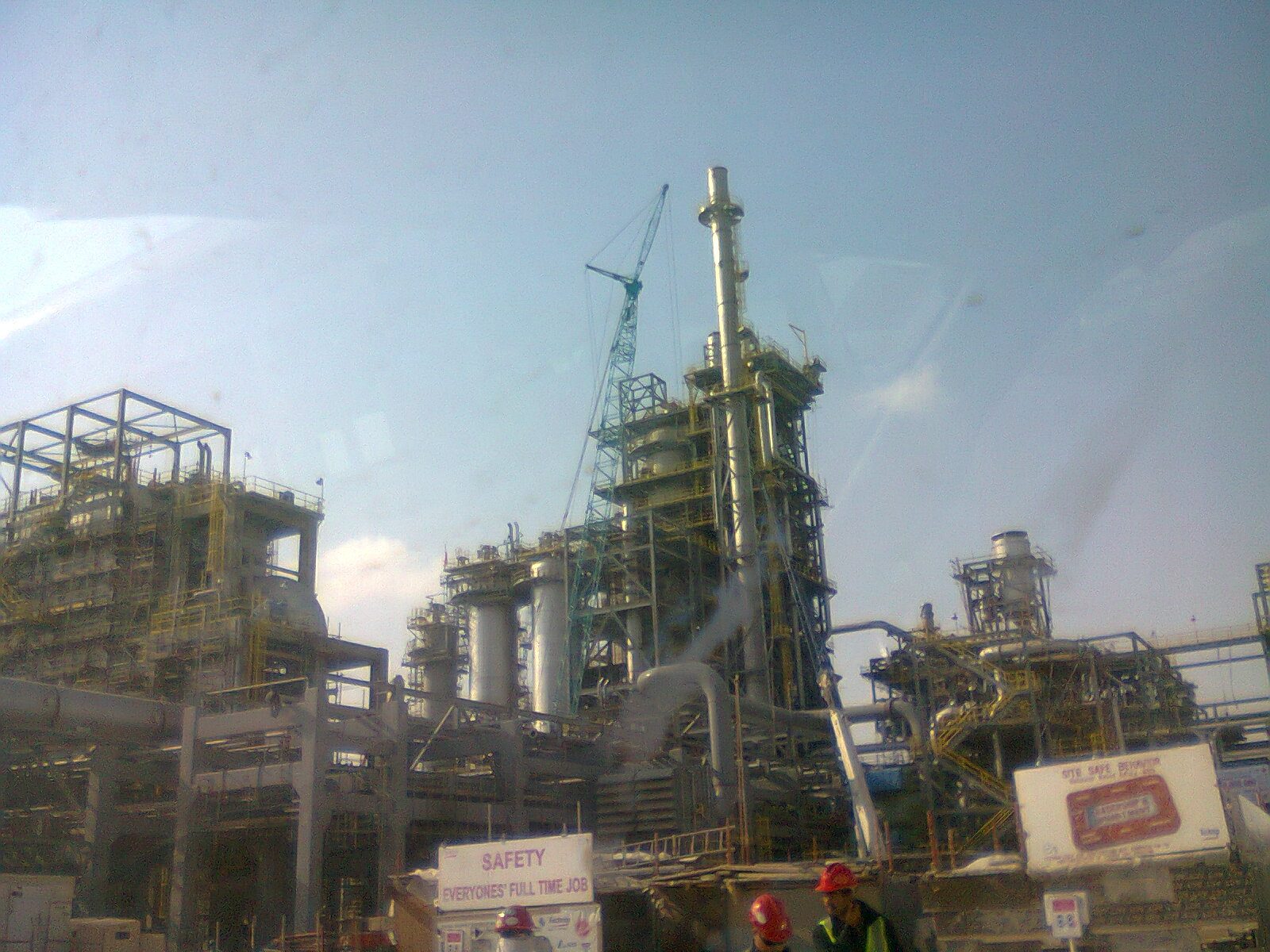
- The Houthis claimed a hit on the Rabigh refinery on 22 November; the coalition said it intercepted a ballistic missile aimed at the western region.
- Saudi Arabia now moves up to 7 million barrels a day west by pipeline to the Red Sea, which makes that coast the most valuable target in the region.
- On 10 October a Houthi attack on King Khalid International Airport in Riyadh killed 13 people.
- Saudi-Houthi talks through Oman before 31 March are unlikely (25 to 35 percent) while fighting in Yemen intensifies.
On 22 November the Houthis said they had struck Saudi Arabia's Rabigh oil refinery on the Red Sea coast. The Saudi-led coalition said its air defences intercepted and destroyed a ballistic missile launched towards the western region. Videos of a fire at the refinery circulated but could not be verified, and Saudi authorities have not confirmed any damage.
The claim matters because of where Rabigh is. Since the war with Iran disrupted Hormuz, Saudi Arabia has raised flows on its East-West pipeline from 2 to 7 million barrels a day, delivering crude to Yanbu on the Red Sea. That coast is now the kingdom's main way around the strait. My judgement is that a Houthi attack halting production at a Saudi energy facility before 31 January 2027 is possible, at 30 to 40 percent.
What we know
| Date | Event | Grade |
|---|---|---|
| Jul 2026 | Fighting between the Houthis and Saudi-backed forces resumes amid the wider war on Iran | B2 |
| Sep 2026 | The Houthis seize strategic territory on Yemen's Red Sea coast | B2 |
| 10 Oct | A Houthi attack on King Khalid International Airport in Riyadh kills 13 and wounds more than 300 | B2 |
| 25 Oct | The coalition reports intercepting 10 ballistic missiles towards southern Saudi Arabia and a missile towards Riyadh | B2 |
| 22 Nov | The Houthis claim a hit on Rabigh; the coalition reports a ballistic missile intercepted | B3 |
Earlier Houthi claims against the East-West pipeline, the Jazan refinery and Ras Tanura have not been independently confirmed and are not counted as hits in this assessment.
Why the risk is rising
The Houthis are fighting on two fronts at once. In Yemen they are pressing Taiz, cutting the main road to Aden and trapping about 800,000 people, according to the United Nations. Against Saudi Arabia they are firing at a rate that tests air defences, with ten ballistic missiles in a single day in October. Interception rates are high, but they do not need to be perfect for one strike to succeed, and the October attack on Riyadh's airport showed what a single success costs.
The targets have also shifted. Attacks on airports and military sites carry political weight. Attacks on the Red Sea energy coast carry global economic weight, because they threaten the route that has kept Saudi exports flowing while Hormuz is disrupted. For Iran's allies, that is the most efficient pressure point left.
Three scenarios to 31 January 2027
| Scenario | What it looks like | Likelihood |
|---|---|---|
| Sustained harassment | Regular missile and drone attacks, almost all intercepted, with debris damage and short disruptions. | Most likely, 55% |
| Damaging hit | A strike on Rabigh, Yanbu, Jazan or the pipeline causes a confirmed, temporary halt in production or loading. | Possible, 35% |
| Quiet channel | Talks through Oman reduce cross-border attacks while fighting continues inside Yemen. | Less likely, 10% |
What to watch
- Any Saudi or Aramco acknowledgement of damage on the Red Sea coast.
- Loading data at Yanbu and flows on the East-West pipeline.
- Whether Taiz falls or the road to Aden reopens.
- Signs of an Omani channel between Riyadh and the Houthis.
What it means for organisations
Energy buyers who have shifted to Saudi Red Sea loadings should treat Yanbu as exposed, not safe, and keep alternative supply options open. Contractors and staff on Saudi west-coast industrial sites need shelter and alert procedures similar to those in the Gulf. Shipping firms should price Red Sea and Hormuz risk together rather than as alternatives.
Next update: on any confirmed damage to a Saudi energy facility, or 15 January 2027.