Hormuz: why a reopening deal is closer in words than in sequence
Both Washington and Tehran say they want a settlement, and Iran says the strait could reopen within two days. The obstacle is who moves first, while mines and attacks keep the waterway closed.

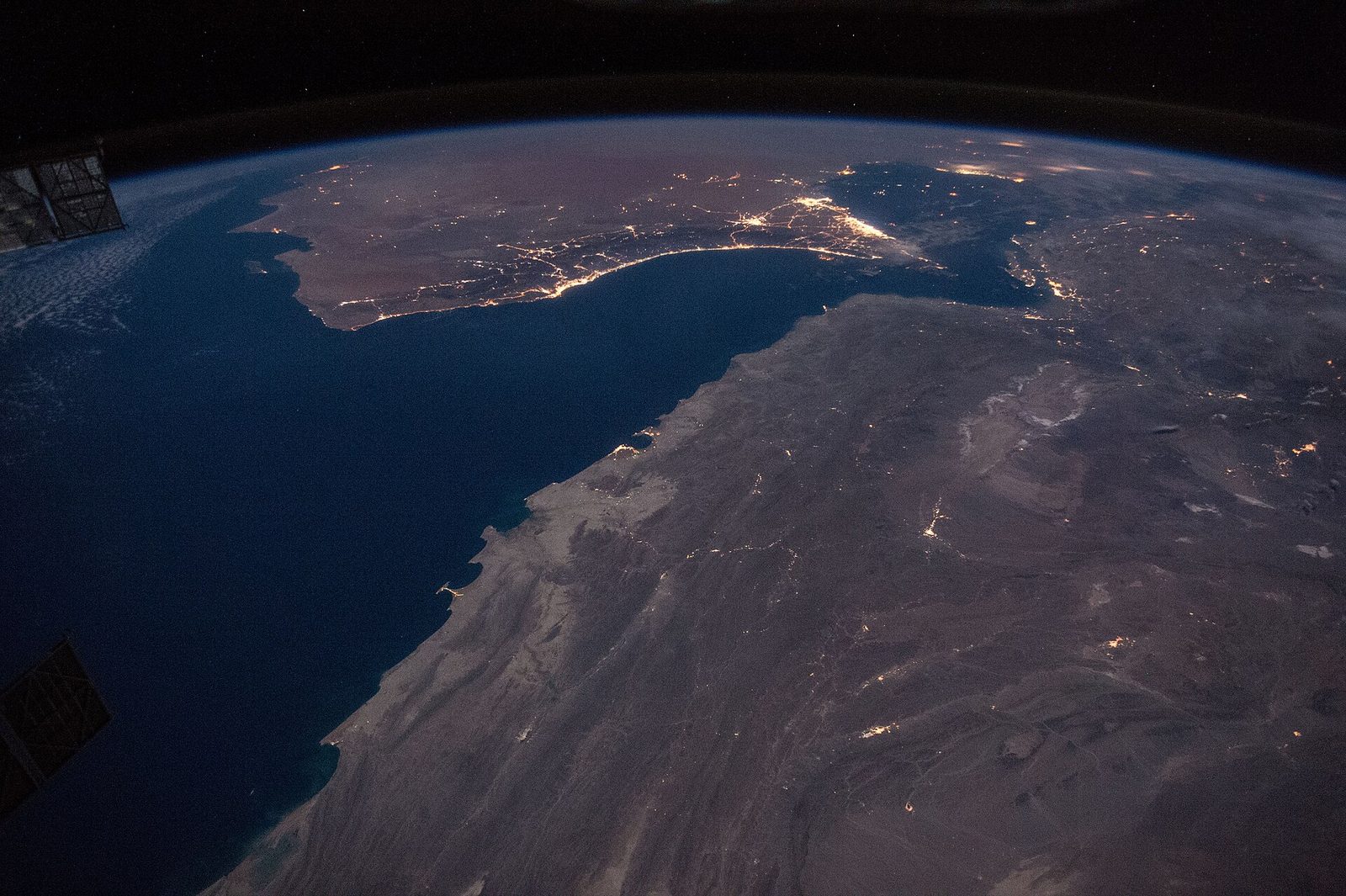
Key points
- A negotiated reopening of Hormuz before 31 March 2027 is possible but not likely (30 to 40 percent).
- October saw 37 attacks on ships near Hormuz, the highest monthly total since the war began.
- Mine incidents on 11 and 21 November make a further mine strike on a tanker before year end very likely.
- Iran wants the blockade and sanctions lifted first; Washington wants the strait open first.
- Qatar is the working channel for any deal.
Both sides now talk about a settlement. Donald Trump says he wants a permanent deal that keeps Iran from nuclear weapons. Abbas Araghchi says reopening the Strait of Hormuz would not be difficult, and could happen within two days, if Iran's conditions are met. Qatar's prime minister met Trump on 9 November, and a Qatari delegation held talks in Tehran on 20 November.
Yet my judgement is that a negotiated reopening before 31 March 2027 is possible but not likely, at 30 to 40 percent. The gap is not what each side wants. It is who moves first.
What we know
| Date | Event | Grade |
|---|---|---|
| October | At least 37 attacks on ships near Hormuz, the highest monthly total since the war began | B2 |
| 11 Nov | Iran's Revolutionary Guards say three tankers hit mines; Iran denies talks with the US | B2 |
| 17 Nov | An ADNOC vessel is attacked while crossing the strait | B2 |
| 21 Nov | At least three tankers attacked; one hits a mine east of the strait | B2 |
| 21 Nov | More than 14 Iranian tankers reported ready off Kharg Island to break the US blockade | B3 |
The sequencing problem
Iran has not published its seven conditions, but its officials say they include lifting the US naval blockade and sanctions and ending fighting on all fronts, including Lebanon. Washington's leverage is the blockade itself. It will not give it up before the strait is open, and Tehran will not open the strait before the blockade is lifted.
The tanker convoy sharpens the problem. If it sails and US forces engage it, Iran has promised a fierce response and attacks on Gulf energy infrastructure. A clash of that kind would push any agreement back by months.
Three scenarios to 31 March 2027
| Scenario | What it looks like | Likelihood |
|---|---|---|
| Managed closure | The strait stays closed with intermittent attacks, mine strikes and limited escorted transits; talks continue through Qatar. | Most likely, 50% |
| Sequenced deal | A Qatari-brokered package trades partial blockade relief for safe passage, followed by joint mine clearance. | Possible, 35% |
| Naval clash | A US-Iranian clash over the convoy closes the strait completely and widens attacks on Gulf ports. | Less likely, 15% |
What to watch
- A public Iranian acknowledgement of negotiations.
- Any US offer of partial blockade relief in return for safe passage.
- The start of coordinated mine-clearance operations.
- The fate of the Iranian tanker convoy bound for China.
What it means for organisations
Shippers, insurers and importers should plan on a closed strait through the second quarter of 2027, with any reopening phased and slow because of mine clearance. Importers in Jordan and the Gulf should keep alternative routing and stock buffers in place.
Next update: on any public announcement of US-Iran talks, or 15 January 2027.