Is Riyadh safe? What the attacks on the financial district mean
Three strikes in sixteen days have turned Riyadh's financial district into a repeated target. The risk is real and concentrated, but it is not a reason to leave.

Key points
- Projectiles from Yemen hit Riyadh's financial district on 8, 19 and 24 November 2026; the latest strike injured 11 people.
- We estimate a 65% chance of another impact in the district by 31 December, and under 15% that a major firm moves staff out of Riyadh.
- The targeting is political: strikes follow Saudi air operations in Yemen and aim at symbols of Vision 2030.
- Mixed salvos of missiles and drones explain why some projectiles get past Patriot and THAAD defences.
- The key warning sign is the reliability of phone alerts; relocation should be triggered by fatalities or a change in target type.
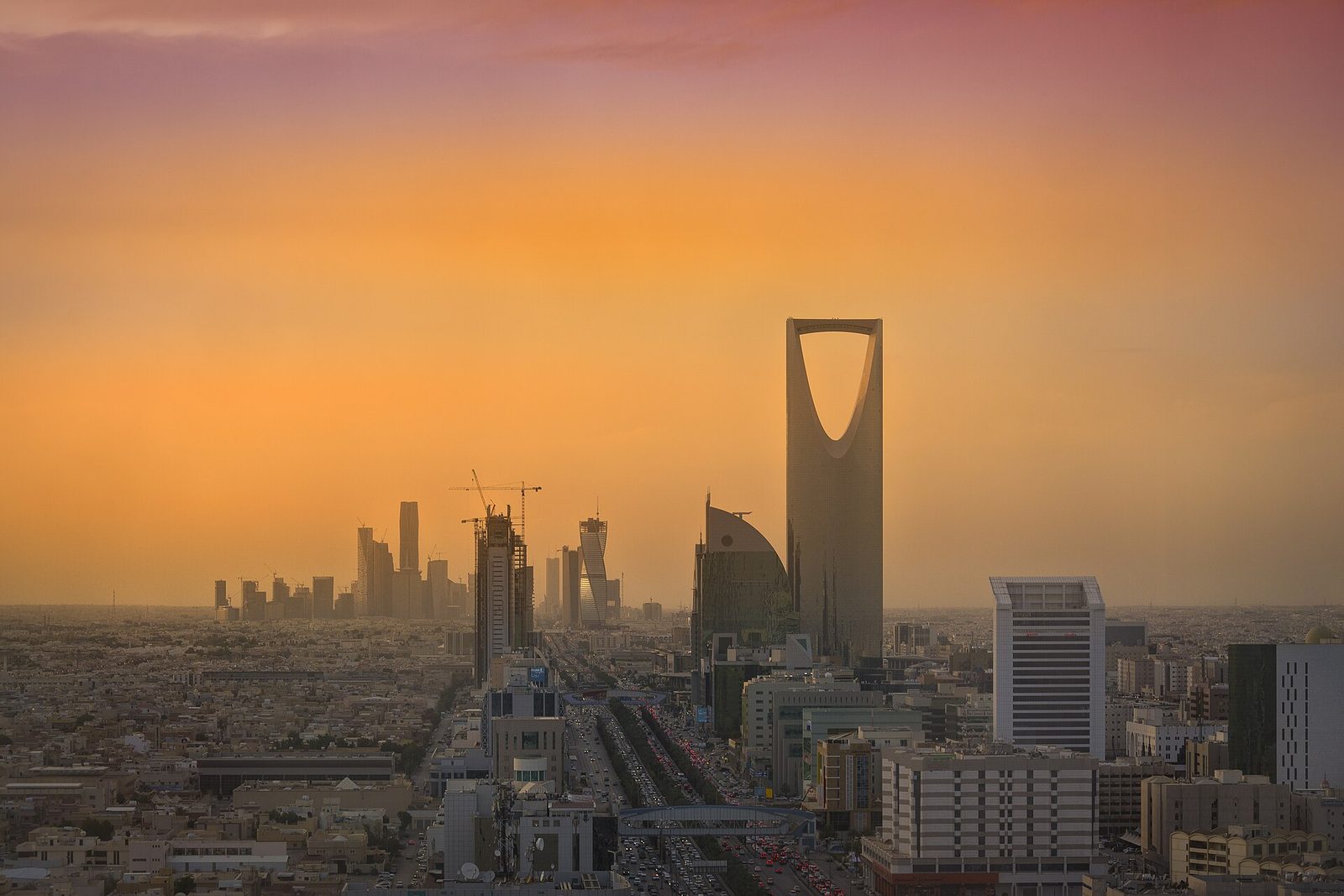
Three times in sixteen days, projectiles fired from Yemen have reached the King Abdullah Financial District, the cluster of towers in northern Riyadh that houses Saudi Arabia's sovereign wealth fund, Aramco offices and a large share of the foreign banks and advisers working in the kingdom. On 24 November a strike injured 11 people. Search interest in "missile attack in Riyadh" spiked the same day. The question people are asking is simple: is Riyadh still safe to live and work in?
My judgement: Riyadh is not becoming a war zone, but the financial district is now a deliberate and repeated target, and that will not change before the end of the year. I put the probability of at least one more projectile or debris impact in the district by 31 December 2026 at about 65%. I put the probability that a major international firm publicly moves its Riyadh staff out of the city in the same period below 15%. The risk is real, concentrated and manageable; it is not a reason to leave, but it is a reason to plan.
What happened
On 8 November an Aramco administrative building in the district was damaged; the Houthis claimed the strike and Saudi authorities described it as an "attempted attack" causing minor damage. On 19 November the 80-storey Public Investment Fund tower, the tallest building in the country, had windows blown out across seven to eight floors. On 24 November an unspecified projectile struck a tower in the same district; Civil Defence reported 11 injured, including two Saudis and nine foreign workers, and three witnesses told AFP the PIF tower was hit again. The coalition spokesman called it a "cowardly terrorist attack".
| Fact | Source | Grade |
| Aramco office building in the district damaged on 8 November; Houthis claimed it | CNN, Saudi Press Agency | A2 |
| PIF tower damaged across seven to eight floors on 19 November; no injuries | Reuters via IBTimes; Saudi Civil Defence | A2 |
| 11 injured in the 24 November strike on a district tower | Saudi Civil Defence via Al Jazeera and AFP | A1 |
| 13 emergency alerts issued in two days after the 19 November strike | AP via IBTimes | B2 |
| No phone alert was sent before the 24 November strike | AFP witness accounts | B3 |
Why the district, and why now
The targeting is political, not military. The district is the physical symbol of Vision 2030 and of the investment case the kingdom makes to the world. Hitting it costs the Houthis little and imposes a price on the Saudi economic model, which is why the attacks follow Saudi air strikes in Yemen rather than any battlefield logic. After the coalition said on 18 November that it had destroyed 60 targets across Sanaa, Hodeidah, Amran and Saada, the PIF tower was hit the next day.
The pattern of attack also explains why some projectiles get through. The Houthis now mix ballistic missiles, cruise missiles and long-range drones to saturate defences. Saudi Arabia operates Patriot and THAAD batteries, but it has to spread them across airports, oil installations, the south and the capital. Riyadh's interception rate is high; it is not total, and falling debris from successful interceptions also causes damage.
What this means for people in Riyadh
The risk is concentrated in time and place. Strikes come in waves, usually within days of Saudi air operations in Yemen, and they have been aimed at a small number of high-value buildings. Residential areas have not been the target. For residents, the practical change is to treat alerts seriously and to know where the nearest interior shelter is during working hours in the district.
The more serious concern is warning. Before the 24 November strike, witnesses reported that a loudspeaker vehicle warned pedestrians but no alert reached phones, unlike in earlier attacks. If the early-warning system becomes less reliable, the casualty risk in a dense office district rises even if the number of strikes stays flat.
Three scenarios to 31 December
- Continued waves (60%). Strikes on Riyadh continue at roughly the current tempo, tied to Saudi operations in Yemen. The district is hit again; casualties remain limited.
- Escalation (25%). A strike causes fatalities in the district or hits a hotel or residential tower. Foreign firms tighten travel policies and some move staff to Jeddah or Dubai temporarily.
- Lull (15%). Back-channel contacts or a pause in Saudi air strikes produce a de facto quiet period. No public truce is announced, but attacks on the capital stop.
What to watch
- Saudi air operations in Sanaa and Hodeidah: each major wave has been followed by strikes on Riyadh within days.
- Whether Civil Defence phone alerts resume before attacks.
- Travel advisories from the US, UK and India, which has workers among the injured.
- Any Omani or UN contact between Riyadh and the Houthis.
What it means for organisations
Companies with staff in the district should review shelter-in-place procedures, confirm that staff receive Civil Defence alerts, and avoid scheduling large external events in the towers that have already been hit. Investors should separate headline risk from operating risk: the attacks raise insurance and event costs, and they damaged the kingdom's image after this year's Future Investment Initiative was called off, but they have not stopped business activity in the capital. A relocation decision should be triggered by fatalities or a change in target type, not by the next strike alone.
Next update: after the next confirmed strike on Riyadh, or on 8 December 2026, whichever comes first.