Jordan's strikes in Syria: a border tool, not a wider campaign
Jordan struck southern Syria in May and October, and Damascus protested civilian deaths. Within two weeks the two governments had reopened the border, formed a joint committee and signed 11 cooperation documents. That is the frame for what comes next.

Key points
- Jordan widening its air strikes beyond Daraa and Sweida before 28 February 2027 is unlikely (15 to 25 percent).
- Strikes on 27 October in Daraa and Sweida followed the 23 October church attack in Karak that killed nine.
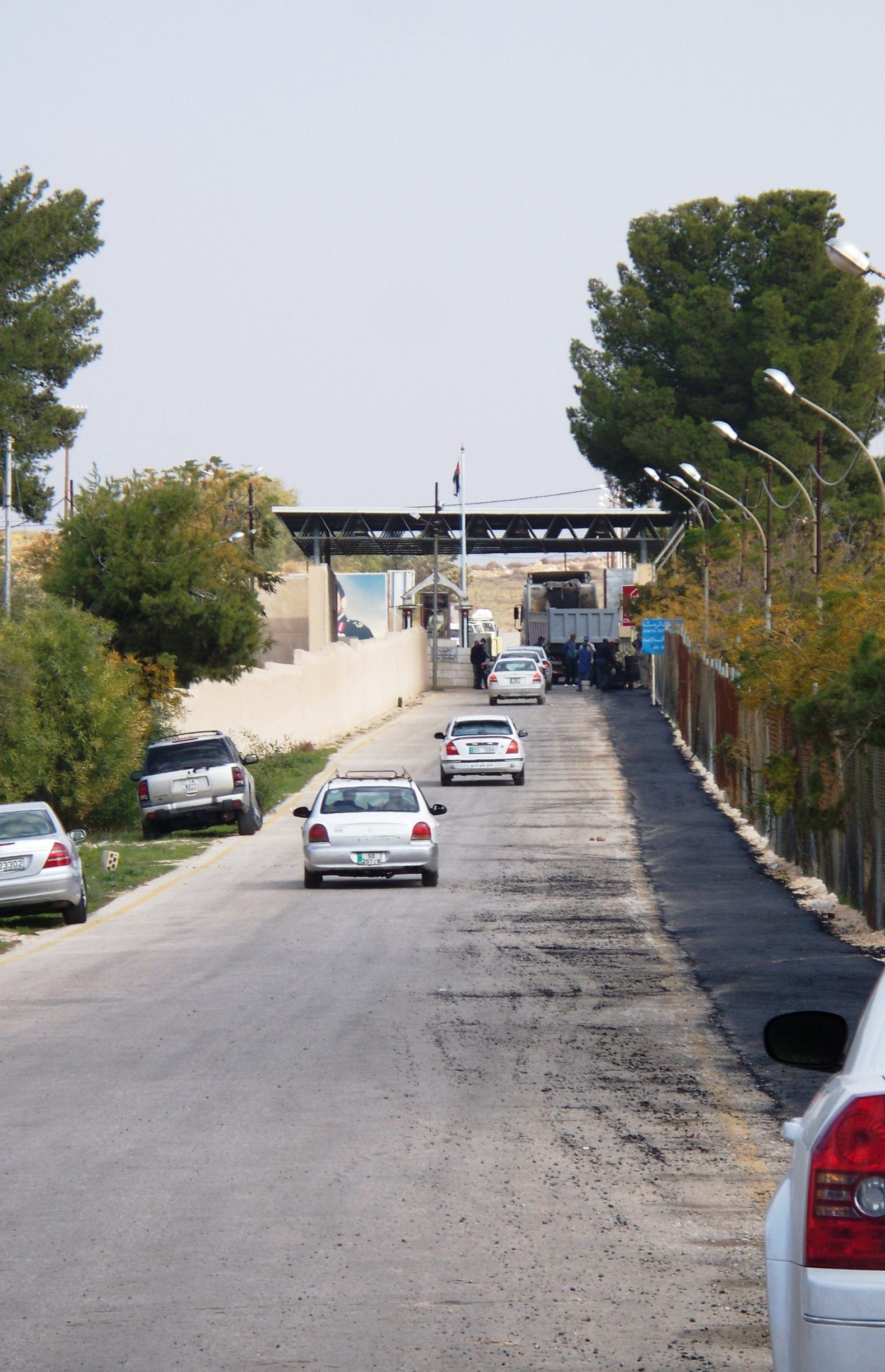
- Damascus said seven civilians died, denied prior coordination and closed the Nassib crossing for a day.
- On 9 November the foreign ministers met in Damascus, formed a joint committee and signed 11 cooperation documents.
- A new terrorist attack inside Jordan before the end of February is possible (20 to 30 percent).
Jordan's air force struck rural Daraa and Sweida on 27 October, four days after an attack on a church in Karak killed nine people. Jordan said it hit groups linked to the attackers. Damascus said seven civilians were killed, including three children, denied any prior coordination and closed the Nassib crossing, the only route between the two countries.
What followed matters more than the strikes. The crossing reopened within a day or two, Jordan expressed regret over civilian deaths, and on 9 November the two foreign ministers met in Damascus. They formed a joint security and technical committee and signed 11 cooperation documents. My judgement is that Jordan widening its strikes beyond Daraa and Sweida before 28 February 2027 is unlikely, at 15 to 25 percent.
What we know
| Date | Event | Grade |
|---|---|---|
| 3 May | Jordanian strikes on suspected smuggling sites in Sweida | C3 |
| 23 Oct | Attack on a church in Karak kills nine; three suspects later arrested after an exchange of fire | A2 |
| 27 Oct | Strikes in rural Daraa and Sweida; Syria reports seven civilian deaths and closes Nassib | B2 |
| 28 Oct | Nassib reopens; agreement on a joint security committee | B2 |
| 9 Nov | Foreign ministers meet in Damascus; 11 cooperation documents signed; trade near 330 million dollars | B2 |
A border tool, paired with diplomacy
Since 2023 Jordan has struck smugglers and armed groups in southern Syria, mostly close to the border, and some strikes have caused civilian deaths. Each round has been followed by diplomatic repair rather than escalation. October fits that pattern. Ayman Safadi said the two countries are working together against drug trafficking, and Syria's foreign minister called relations the strongest in decades.
A wider campaign, north towards rural Damascus or east into the desert, would need a threat that reaches beyond the border, such as a new attack inside Jordan traced to networks further away, or a collapse of the new committee.
Three scenarios to 28 February 2027
| Scenario | What it looks like | Likelihood |
|---|---|---|
| Contained border action | Occasional strikes near the border against smugglers and armed groups, followed by consultation through the joint committee. | Most likely, 60% |
| Quiet coordination | Strikes pause as the committee takes on intelligence sharing and joint action against smuggling. | Possible, 20% |
| Wider campaign | A new attack inside Jordan linked to networks further away triggers strikes beyond Daraa and Sweida. | Less likely, 20% |
What to watch
- Any attack inside Jordan traced to networks in the Syrian desert or rural Damascus.
- The first public output of the joint security committee.
- A new closure of the Nassib crossing.
- Large armed infiltration attempts on the northern border.
What it means for organisations
Hauliers and traders using Nassib should build a few days of slack into delivery contracts, because the crossing can close after any strike. Investors weighing Jordan-Syria projects, including the proposed rail link, should read the October episode as evidence that both governments are protecting the relationship.
Next update: on any new Jordanian strike in Syria, or 31 January 2027.