Iran's two-day plan: why sequencing, not substance, is now the obstacle in Hormuz
Tehran has put a reopening timetable on the table. The gap with Washington is less about what each side wants than about who moves first.
Key points
- Iran links reopening Hormuz to US steps taken first, within a 24 to 48 hour window.
- Keeping enriched uranium inside Iran is presented as non-negotiable.
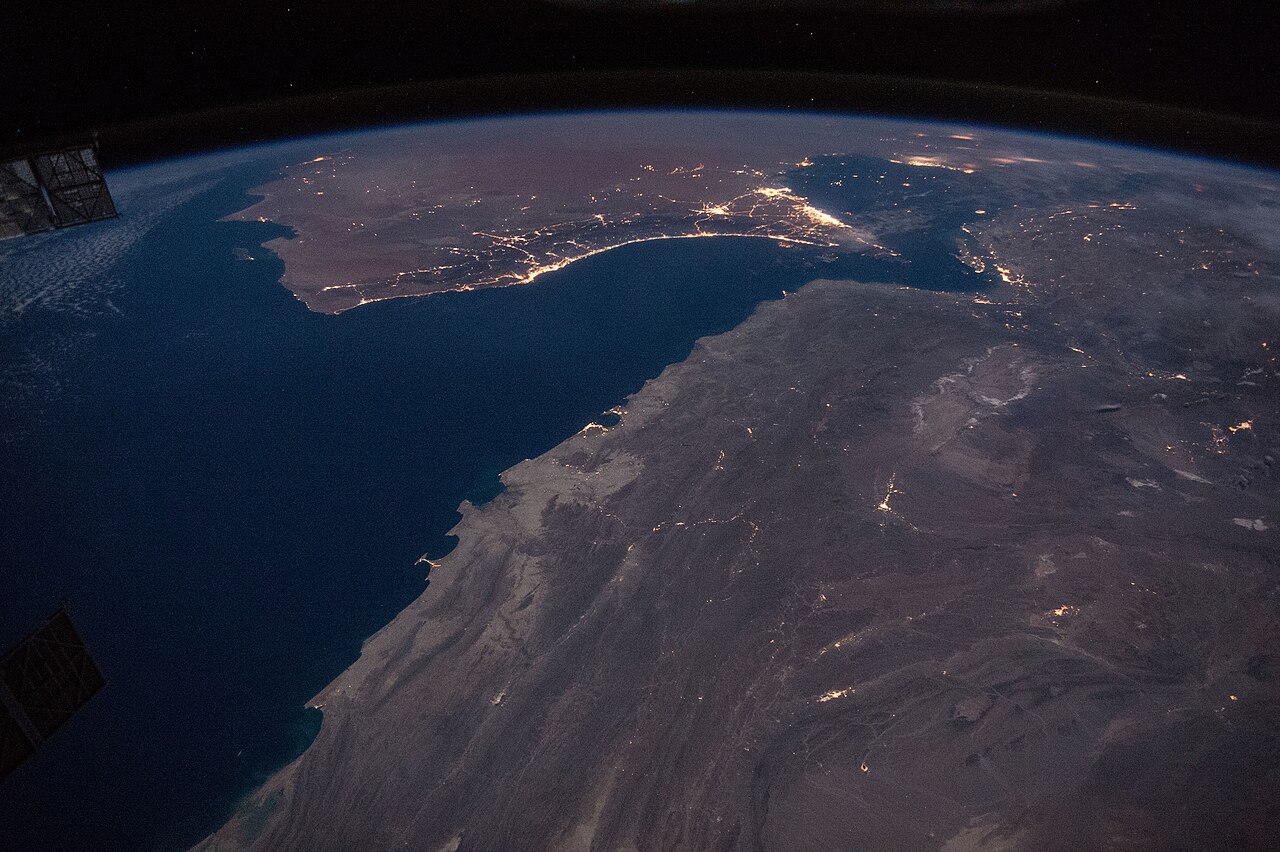
- Incidents near Khasab show the strait remains a live risk while talks stall.
Iran's foreign minister, Abbas Araghchi, has said a fair settlement with the United States is still achievable, while drawing a firm line: the country's stock of enriched uranium, estimated at around 400 kilograms enriched to 60 percent, will not leave Iranian territory. According to Arab press reporting of his remarks, Tehran rejects any arrangement that ships the material abroad and insists on deciding its use according to its own needs.
The more consequential detail is procedural. Araghchi described a two-day plan already conveyed to Washington. On the first day the United States would carry out its commitments. On the second, the Strait of Hormuz would reopen and negotiations would begin, with no fixed deadline for concluding them. He added that the window could be compressed to a single day, or even to a matter of hours.
The real dispute is the order of moves
Both capitals now say they want an agreement. President Donald Trump has said Iran wants a deal but has not offered acceptable terms. Tehran says it wants guarantees that prove American seriousness and confidence-building steps before it concedes leverage. That is a classic sequencing deadlock: each side treats its own concession as the reward for the other's first move.
Hormuz is Iran's main source of leverage, and the two-day formula is designed to spend it only after Washington has paid something up front. For the United States, accepting that order would mean making visible concessions while the strait is still closed, which is politically costly at home. Unless a mediator can design simultaneous steps, the talks risk stalling on choreography rather than on the nuclear file itself.
Araghchi also narrowed the channels. He said contacts run only through Qatar and Pakistan, and dismissed talk of other tracks as speculation. That matters for anyone reading signals: movement is most likely to surface first in Doha or Islamabad, not in public statements from Tehran or Washington.
The strait remains a live risk
The diplomatic language has not changed conditions at sea. A tanker caught fire after being struck by an unidentified projectile about eight nautical miles north of Khasab, in Oman, according to maritime security reporting; no injuries were reported. Iran's Revolutionary Guard said the vessel had hit a mine. The Guard also claimed to have shot down another US MQ-9 drone over the strait. Neither claim could be independently verified.
Markets have priced some hope of a settlement. Brent crude closed the week at about 92.57 dollars a barrel, down on the week. That leaves room for a sharp move in either direction if talks break down or a deal is announced.
Three scenarios for the coming weeks
| Scenario | What it looks like | Likelihood |
|---|---|---|
| Managed stalemate | Talks continue through Qatar and Pakistan, the strait stays restricted, periodic incidents at sea. | Most likely |
| Sequenced opening | Mediators broker parallel first steps; partial reopening of Hormuz as formal talks begin. | Possible |
| Escalation | A serious incident at sea or a strike triggers retaliation and suspends the diplomatic track. | Less likely |
What to watch
- Any announcement of simultaneous or parallel steps from Doha or Islamabad.
- Changes in war-risk insurance premiums for Gulf shipping, which tend to move before official news.
- Whether Washington publicly addresses the location of Iran's enriched uranium, the clearest red line on the table.
- Frequency of incidents near Khasab and the Musandam peninsula.
For Gulf importers and for energy-dependent economies such as Jordan, the practical exposure is not only the oil price but freight and insurance costs, which react to incidents faster than crude. A managed stalemate keeps those costs elevated without a clear end date.