Is it safe to fly to Saudi Arabia and the Gulf right now? What the airline suspensions tell us
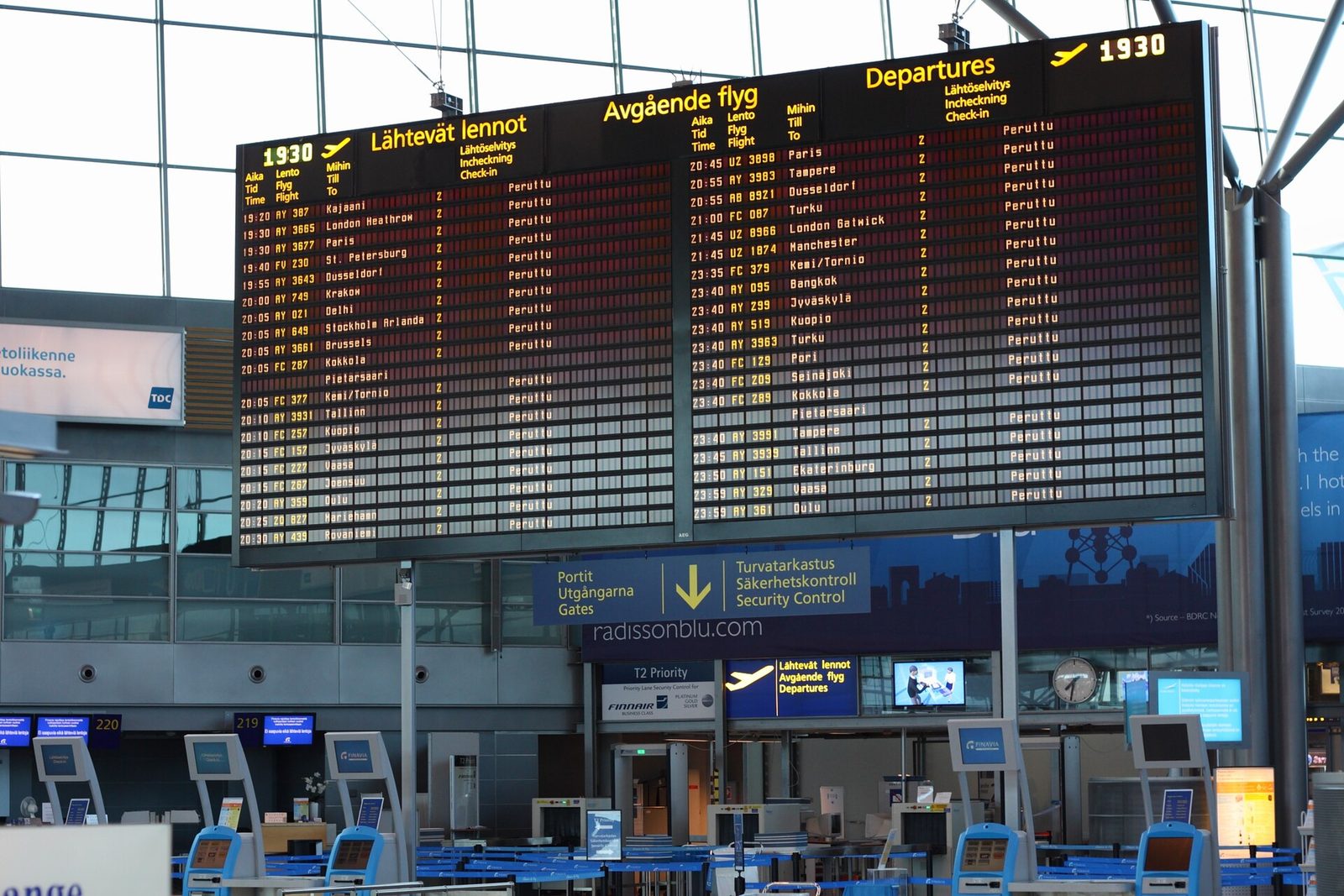
Gulf hubs are operating and carriers are returning to Dubai. Saudi routes are another story, and the suspensions now run into 2027.

Key points
- The US Mission to the UAE has again warned of attacks and possible flight cancellations and airspace closures across the region.
- Etihad has cancelled Abu Dhabi to Riyadh and Dammam through 30 November; Air France, KLM and British Airways have suspended Riyadh into January.
- Lufthansa is returning to Dubai, showing that carriers separate UAE hubs from Saudi routes.
- Our assessment: about a 30% chance that BA, Air France or KLM restore Riyadh service before the end of January.
- For organisations, the answer is flexible routing via Gulf hubs and a buffer for short-notice cancellations, not avoidance.
Airlines are drawing a sharper line across the Gulf than most travellers realise. Flights into Dubai and Abu Dhabi are running and, in some cases, returning. Flights into Saudi Arabia, particularly Riyadh, Dammam and the southern airports, are being cancelled, postponed or pulled for months. On 24 November the US Mission to the UAE again told Americans across the region to stay vigilant and to prepare for flight cancellations and airspace closures, a warning it first issued on 7 November.
My judgement: flying through the main Gulf hubs remains workable, but Saudi routes will stay disrupted well into 2027. The chance that British Airways, Air France or KLM restore Riyadh service before the end of January is about 30%. The risk to a traveller is less about being hit and more about being stranded by a cancellation at short notice.
What we know
| Fact | Source | Grade |
| US Mission to the UAE warned of further attacks by Iran and Iranian-backed forces, with possible flight cancellations and airspace closures | Gulf News, 25 Nov | B2 |
| Etihad cancelled all Abu Dhabi to Riyadh and Dammam passenger and cargo flights through 30 November; other Saudi routes operate | Gulf News, citing Etihad, 25 Nov | B1 |
| Air France has suspended Riyadh to 4 January, KLM Riyadh and Dammam to 10 January, British Airways Heathrow to Riyadh to 11 January; BA has dropped London to Jeddah | Gulf News flight roundup, 25 Nov | B2 |
| Cathay Pacific has cancelled Riyadh to 31 January; Delta and Singapore Airlines have pushed Riyadh launches to March 2027 | Gulf News flight roundup, 25 Nov | B2 |
| Lufthansa resumes Frankfurt, Munich, Zurich and Berlin services to Dubai from 25 November | Gulf News flight roundup, 25 Nov | B2 |
| Saudi air defences destroyed four drones over Ras Tanura; no casualties in the initial assessment | Saudi-led coalition via Gulf News, 25 Nov | B2 |
| At least 11 people wounded in a Houthi strike on Riyadh's financial district, the second strike on the capital in a week | Haaretz, 25 Nov | B2 |
| EASA has extended its Gulf conflict-zone advisory to 31 January 2027 | Gulf News, 25 Nov | C2 |
Why the map splits at the Saudi border
Airlines price risk by route, not by region. Three factors put Saudi destinations on the wrong side of that calculation.
- Houthi targeting has moved to Saudi civilian infrastructure. The US warnings since early November have cited attacks on Saudi civilian airports and critical infrastructure. Riyadh has now been hit twice in a week, and Saudi Arabia reports intercepting 209 Houthi aerial threats in two months.
- Insurance and crew rules move faster than the threat. A carrier does not need a hit on an aircraft to suspend a route. A regulator advisory, a war-risk premium or a crew union objection is enough. EASA's advisory now runs to the end of January, which gives European carriers cover to keep Saudi routes closed.
- The UAE hubs have demonstrated resilience. Dubai and Abu Dhabi have absorbed the conflict without sustained closure, so carriers that left are returning there first. Lufthansa's return to Dubai is the clearest signal.
The asymmetry matters. A traveller to Dubai faces delay risk. A traveller to Riyadh faces route risk: the flight may not exist on the day.
Three scenarios to the end of January
| Scenario | What it looks like | Probability |
| Rolling suspensions | Gulf hubs operate; Western and Asian carriers extend Saudi suspensions month by month; regional carriers fill gaps | 55% |
| Wider disruption | A strike closes a major Saudi airport for a day or more, or Iranian strikes trigger temporary airspace closures over the lower Gulf | 30% |
| Managed return | A lull in Houthi attacks and progress on US-Iran talks lets European carriers restore Riyadh on schedule in January | 15% |
What to watch
- Whether Etihad extends its Riyadh and Dammam cancellation past 30 November. It is the first scheduled test.
- Air France on 4 January, KLM on 10 January and British Airways on 11 January. One resumption would signal the risk model is shifting; three extensions would confirm the rolling pattern.
- Any EASA revision before 31 January.
- Houthi claims against airports rather than the financial district or energy sites.
- Trump has said the war is funded until about the end of January. A political deadline in Washington could change the military tempo either way.
What it means for organisations
For companies with staff or clients moving through the region, the practical response is routing, not avoidance. Book Saudi travel on carriers that still operate the route, preferably via Dubai or Doha with flexible onward tickets. Assume a short-notice cancellation and build a 24-hour buffer into any meeting in Riyadh or Dammam. Keep traveller contact details current with the airline and with the relevant embassy. For events planned in Saudi Arabia in January and February, a hybrid fallback is now a reasonable default.
The airline schedules are the most honest risk indicator available. Carriers are betting on the UAE and hedging on Saudi Arabia. Until that changes, travel plans should do the same.
Next update: after Etihad's 30 November decision.