Will Iraq take Jurf al-Sakhar from Kataib Hezbollah? What the standoff means
Baghdad has a plan to deploy troops in the faction's stronghold. A clean takeover is unlikely; a phased joint deployment is the most probable outcome.

Key points
- Prime Minister al-Zaidi issued a plan on 25 November dividing Jurf al-Sakhar among army, police and PMF units.
- The dispute began with a judicial investigation into oil theft from state pipelines, which strengthens the government's legal position.
- A full armed clash is unlikely (about 15%); a phased joint deployment is most likely (about 55%).
- PMF brigades in the plan allow the faction to retain influence inside the area.
- Companies on the Baghdad–Karbala–Babil corridor should plan for localised disruption risk through January.
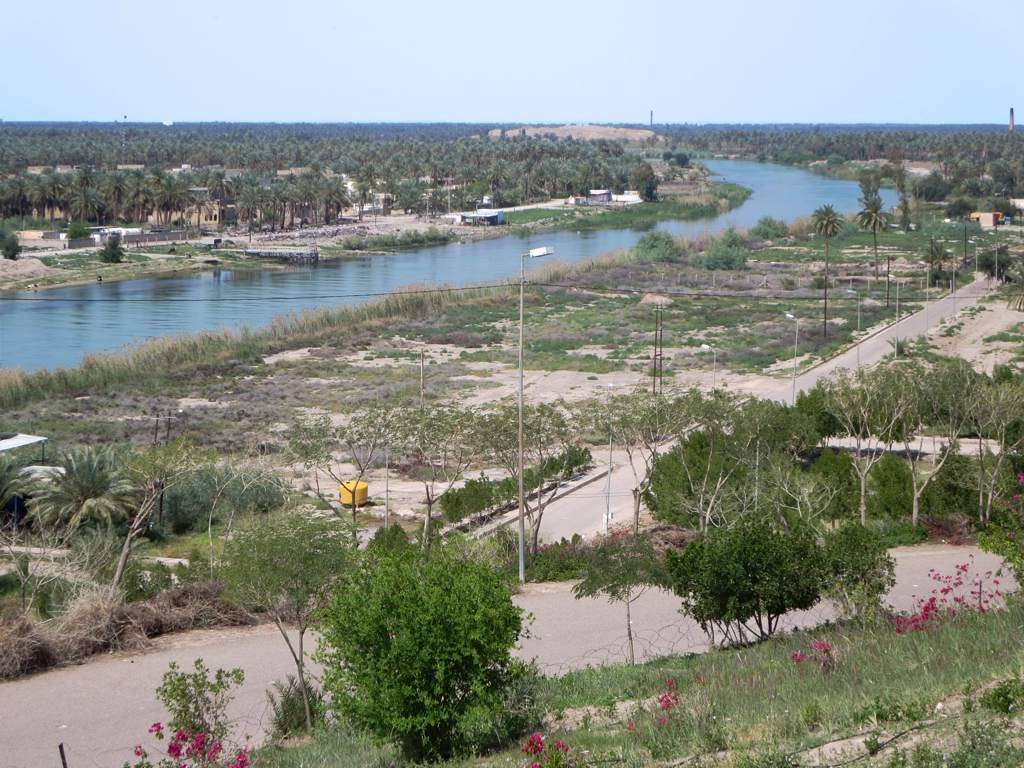
Iraq's government and Kataib Hezbollah are now negotiating over how, not whether, state forces enter Jurf al-Sakhar, the faction's walled-off stronghold 60 kilometres southwest of Baghdad. On 25 November Prime Minister Ali al-Zaidi issued a written plan dividing the area among Defence Ministry troops, Interior Ministry forces and Popular Mobilization Forces (PMF) brigades, a day after his spokesman said the government would clear the area of "any party or group tampering with this strategic resource".
My judgement: a full armed clash is unlikely in the next eight weeks (about 15%). The most likely outcome (about 55%) is a phased joint deployment that gives the state formal control of the perimeter, the pipelines and the judicial investigation, while PMF brigades, some close to the faction, hold much of the interior. A prolonged stalemate, with the plan agreed on paper and enforcement deferred, is the remaining 30%. Either way, Jurf al-Sakhar will not be fully demilitarised before the June 2027 deadline for bringing weapons under state control.
What has happened
The crisis began with an oil-smuggling file, not a disarmament order. A leaked Interior Ministry report said crude had been siphoned from two state pipelines crossing the closed area since 2021 and processed in improvised refineries. A government committee entered with military backing on 13 November and identified several sites. Al-Zaidi dismissed nine security and administrative officials in Babil province, including the provincial police chief and the director of the Oil Pipelines Company, and referred suspects to the judiciary.
The faction mobilised roughly 8,000 fighters towards the area, denied the allegations and refused to withdraw, offering instead to let the Energy Police guard the pipelines. On 24 November a joint judicial and government committee was reportedly refused entry, and a Kataib Hezbollah commander told a press conference inside the area that the group "will not leave Jurf al-Sakhar, even if it costs us our lives". Quds Force commander Esmail Qaani travelled to Baghdad to mediate. According to Asharq Al-Awsat's sources, al-Zaidi rejected his compromise and insisted on government entry.
Why the state's position is stronger than in past rounds
- The legal frame has changed. The case rests on theft of state oil and a judicial investigation. Obstruction can be prosecuted, and the prime minister has told mediators the operation has full judicial backing. This is harder for allied parties to oppose than a disarmament demand.
- The ruling alliance is split, not united against him. Coordination Framework meetings have been heated, and leaders including Hadi al-Amiri reportedly opposed a Friday entry. But a Hikma Movement figure said satellite imagery presented by al-Zaidi moved several leaders towards his position.
- Iran is mediating, not vetoing. Qaani's role so far has been to find a formula for withdrawal. Tehran appears to prefer a managed retreat to a confrontation that would weaken the PMF framework as a whole.
Why a clean takeover is unlikely
- The area is believed to hold camps, weapons depots and rocket and drone production. The faction will not hand these over intact to the army.
- The prime minister's own plan includes PMF brigades. That is the price of consensus, and it allows the faction to stay in uniform under another banner.
- Al-Zaidi has publicly ruled out an armed confrontation and proposes a cordon first, with administration settled later. Deferral is built into the plan.
- Around 140,000 displaced residents have not returned since 2014. Their return is the clearest test of real state control, and it will take months, not weeks.
Scenarios to the end of January 2027
| Scenario | Likelihood | What it looks like |
|---|---|---|
| Phased joint deployment | About 55% | Army and police take the perimeter, the pipelines and inspection sites; PMF brigades hold interior sectors; prosecutions proceed against named individuals, not the faction as a whole. |
| Agreed on paper, stalled in practice | About 30% | Deployment orders issued but entry repeatedly postponed; the judicial file slows; Energy Police guard pipelines. |
| Armed confrontation | About 15% | Clashes at checkpoints, rocket or drone attacks on state facilities, or a forced entry after a failed deadline. |
Indicators to watch
- Whether army units, not only PMF brigades, are seen inside the area within two weeks.
- Whether the judicial committee completes its field inspection and issues named warrants.
- Further closures of Green Zone gates or attacks on refineries; the cabinet is already buying a drone defence system for the Counter Terrorism Service.
- Statements from Kataib Hezbollah's secretary-general. On 19 November he stood fighters down from alert and promised to settle differences "through private channels".
What it means for companies
For operators and investors, the episode matters beyond Babil. It is the first sustained test of whether the al-Zaidi government can enforce a judicial decision against an armed faction over a revenue stream. A managed outcome would strengthen the government's hand on pipeline security, fuel smuggling and the federal oil export measures announced on 24 November. A stall would signal that enforcement stops where armed interests begin. Companies with assets on the Baghdad–Karbala–Babil corridor, and those dependent on pipeline throughput to southern refineries, should plan for localised disruption risk through January rather than a single decisive event.